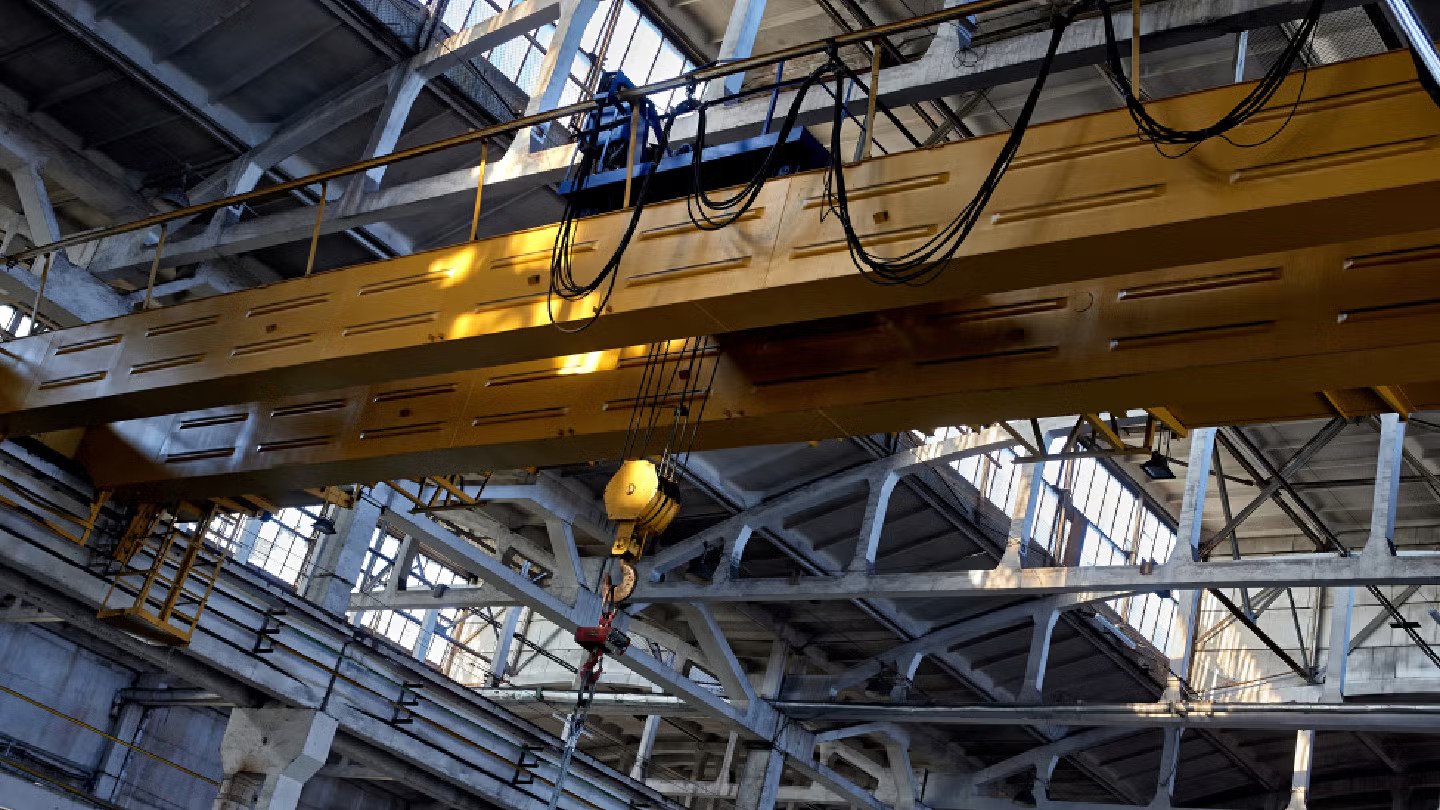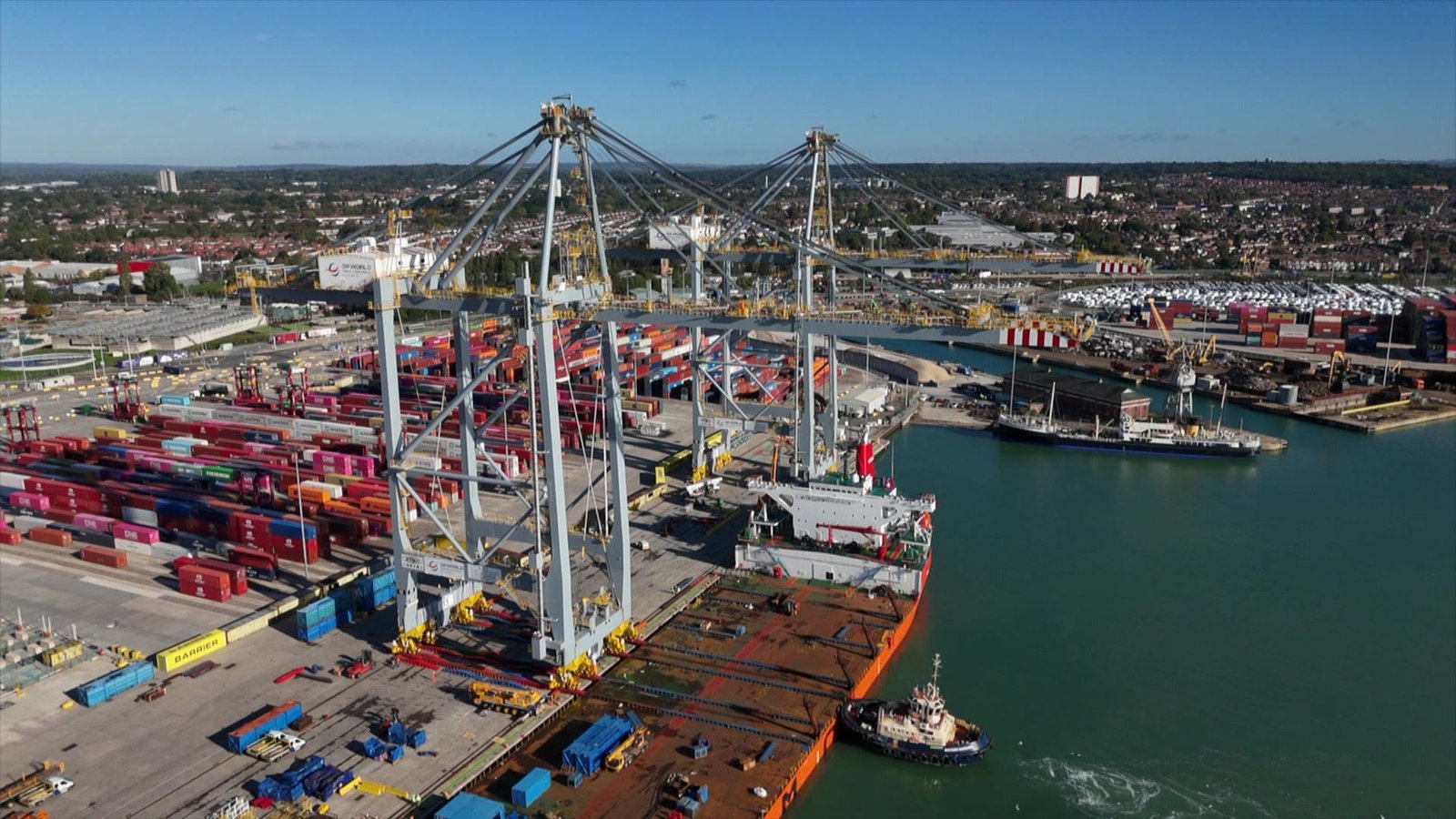
The lifting industry in 2026 is evolving faster than ever. What used to be a straightforward task of moving heavy loads has now become a mix of smart technology, safety systems, and efficiency-driven operations, which enhance the overall effectiveness and safety of lifting processes. For companies in construction, infrastructure, logistics, and manufacturing, lifting equipment is no longer just a support function. It is a core part of productivity and cost control.
Today, businesses are not just asking what a crane can lift. They are asking how safely, how quickly, and how efficiently it can perform. This shift is shaping the future of the lifting industry, material handling industry, and crane industry in India.
Safety Is No Longer a Checklist It Is a Core Strategy
Safety has become one of the biggest priorities across job sites. Companies understand that accidents can lead to delays, financial losses, and serious damage to their reputation. Because of these concerns, safety is no longer treated as a checklist but is being built into equipment and daily operations from the start.
There is growing adoption of advanced load monitoring systems, anti-collision technology, real-time safety alerts, and improved operator cabins with better visibility. At the same time, many companies are investing in crane safety systems and operator training programmes. Better efficiency and lower operational risks now directly link to a safer site.
Speed and Efficiency Are Driving Every Decision
With tighter project deadlines, companies are under constant pressure to complete work faster without compromising on quality. This is driving demand for high-performance lifting equipment that can deliver quicker cycles, smoother operations, and consistent results across different types of projects.
The focus is now on reducing downtime, enabling quick installation and setup, achieving faster lifting cycles, and improving coordination on site. Efficient material handling solutions play a key role in helping companies stay on schedule while also keeping overall operational costs under control.
Smart Technology Is Becoming Standard
Technology is transforming how lifting operations are managed, and what was once optional is now becoming essential. Companies are moving towards smarter systems to improve efficiency, control, and overall performance in their day-to-day operations.
In 2026, many businesses are adopting remote-operated cranes, IoT-based monitoring systems, equipment tracking and analytics, and predictive maintenance solutions. These innovations are shaping the future of smart cranes and automation in material handling by helping companies monitor performance, improve accuracy, and make better decisions using real-time data.
Predictive Maintenance Is the New Normal
Waiting for equipment to fail is no longer a viable option. Companies are transitioning to predictive maintenance for cranes to prevent costly breakdowns and ensure smooth operations. By using sensors and data tracking, they can monitor equipment conditions in real-time and take action before small issues escalate into major problems.
This approach allows issues to be identified early, maintenance to be scheduled in advance, and unexpected downtime to be reduced. It not only improves the life of the equipment but also lowers repair costs and increases overall reliability.
Energy Efficiency and Sustainability Are Gaining Importance
Rising energy costs and growing environmental concerns are pushing companies to adopt more efficient and responsible solutions. There is a clear shift towards energy-efficient cranes and more sustainable ways of operating, especially as businesses look to reduce long-term costs and meet environmental expectations.
Companies are now focusing on electric and hybrid lifting equipment, optimised power consumption, and systems that produce lower emissions. This trend is particularly important for large infrastructure projects, where sustainability is becoming a key requirement and often a deciding factor in project approvals and partnerships.
Automation Is Reshaping Operations
Automation is becoming a major part of lifting operations as companies look for more consistent and efficient ways to get work done. By using automated crane systems, businesses are able to reduce manual effort and bring more control and precision into their daily operations.
Common applications include programmable lifting sequences, remote handling systems, and semi-automated crane operations. These solutions help improve accuracy, reduce human error, and increase overall productivity, making operations smoother and more reliable.
Demand for Customized Solutions Is Increasing
Every project comes with its own set of challenges, and because of this, companies are moving away from standard equipment and looking for customised lifting solutions. They need equipment that fits their specific requirements rather than adjusting their operations to suit a generic setup.
Businesses are now demanding application-specific crane designs, flexible configurations, and solutions tailored to their project needs. Manufacturers who can offer this level of customisation are gaining a strong competitive advantage, as they are better able to meet customer expectations and deliver more effective results.
Skilled Workforce Is More Important Than Ever
Advanced equipment requires skilled operators, and without proper training, even the best machines cannot deliver the expected results. As technology becomes more advanced, companies are realising that having the right people to operate and manage equipment is just as important as the equipment itself.
Because of this, businesses are focusing on operator training and certification, technical skill development, and safety awareness programmes. A skilled workforce leads to better performance, fewer mistakes, and longer equipment life, which ultimately improves overall efficiency and reduces costs.
Strong After Sales Service Is a Key Differentiator
Buying equipment is only one part of the process, and reliable service support is just as important for smooth operations. Companies understand that without proper support, even the best equipment can lead to delays and unexpected costs.
Because of this, businesses are choosing suppliers based on factors like fast service response, availability of spare parts, and strong maintenance support. A dependable service network helps reduce downtime, ensures continuous operations, and directly improves overall profitability.
Data Driven Decision Making Is the Future
Data is becoming a powerful tool in the lifting industry, helping companies improve efficiency and reduce costs. Instead of relying on assumptions, businesses are now using real-time data to understand how their operations are performing and where improvements can be made.
With these insights, companies can track equipment usage, identify inefficiencies, plan operations more effectively, and optimise maintenance schedules. This shift towards data-driven operations is helping businesses move from guesswork to more accurate and informed decision-making.
Rental Market Is Growing Rapidly
Another major trend in 2026 is the rapid growth of crane rental services and equipment leasing. Instead of investing heavily in purchasing machinery, many companies are choosing more flexible options that allow them to access equipment when they need it without long-term commitments.
Businesses are increasingly opting for short-term rentals, project-based equipment usage, and flexible cost models. This approach reduces upfront investment and helps companies manage cash flow more efficiently while still meeting project demands.
Integration with Digital Project Management
Lifting operations are now being integrated with digital tools, including project management software and site monitoring systems. This shift is helping companies bring more structure and visibility into their operations, making it easier to manage complex projects efficiently.
With this integration, teams can achieve better coordination, get real-time updates on progress, and improve overall planning and execution. This trend is especially important for large infrastructure and construction projects, where smooth communication and accurate tracking play a critical role in meeting deadlines and controlling costs.
Conclusion:
The lifting industry in 2026 is not just about power. It is about performance, precision, and smart decision-making. From safety and speed to automation and data, every aspect of the industry is evolving. Companies that adapt to these trends, invest in the right technology, and focus on efficiency will stay ahead. Those who continue with outdated methods will find it difficult to compete in a fast-changing market.
The future of the crane and material handling industry is smart, efficient, and driven by innovation. And the companies that understand this shift today will lead the industry tomorrow.