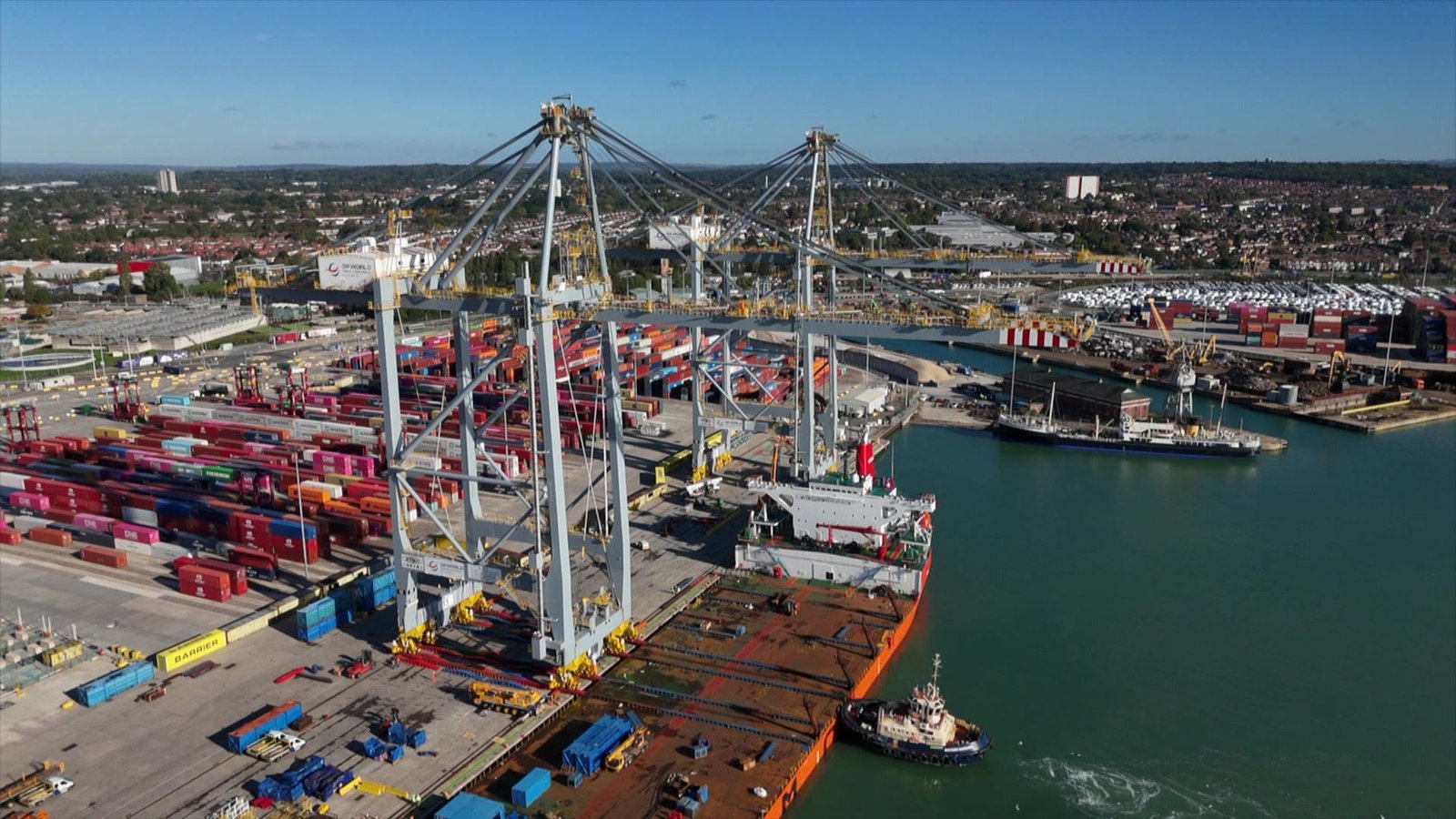
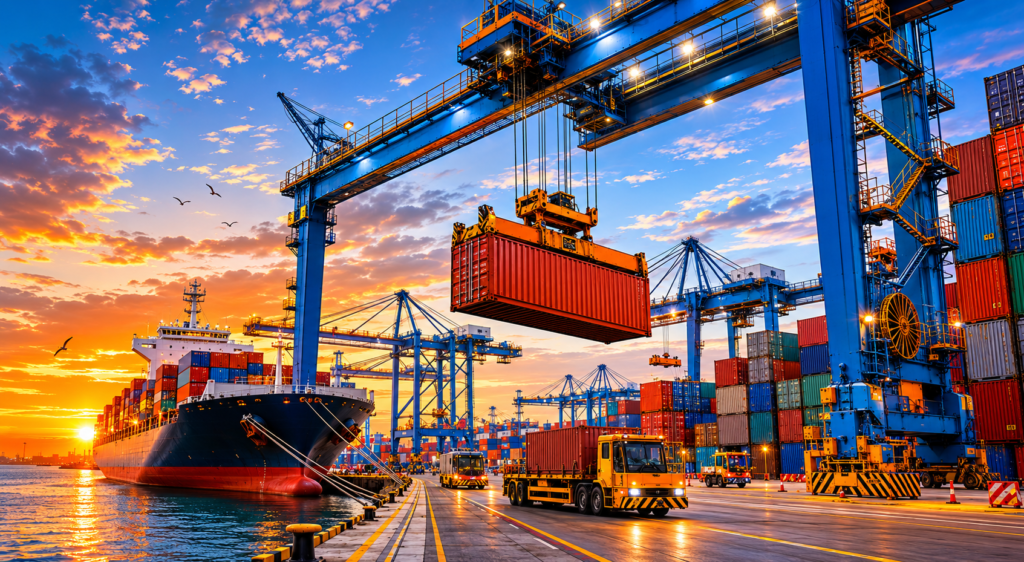
Ports are under more pressure today than ever before. Global trade is increasing, cargo movement is becoming faster, and shipping companies expect quicker turnaround times at terminals. Delays at ports can impact entire supply chains, which is why efficiency has become one of the biggest priorities in port operations.
To handle growing cargo volumes and improve operational speed, ports across the world are investing heavily in advanced gantry cranes. These modern crane systems are helping terminals move containers faster, improve safety, reduce downtime, and manage operations more efficiently.
The logistics and shipping industry is evolving, making advanced gantry cranes essential upgrades. They are becoming a critical part of modern port infrastructure.
At Crane Expo 2026, this shift toward smarter and more efficient port equipment is expected to be one of the important topics across the lifting and material handling industry.
Growing Cargo Volumes Are Increasing Pressure on Ports
One of the biggest reasons ports are upgrading their crane systems is the rapid increase in cargo movement across global markets. With the expansion of international trade, the growth of e-commerce, and increased industrial activity, ports are now handling significantly larger volumes of containers than they did previously. This has created significant pressure on terminals to load and unload vessels more quickly, reduce waiting times, enhance container movement efficiency, and manage larger ships more effectively.
Traditional handling systems often struggle to meet these growing operational demands. Advanced gantry cranes help ports improve handling speed, increase operational efficiency, and manage higher workloads more smoothly. As cargo volumes continue to rise, investing in modern crane technology is becoming essential for ports that want to maintain faster and more reliable operations.
Faster Operations Have Become Essential
Modern port operations directly link speed to profitability. Shipping companies want vessels to spend less time at ports because delays increase operational expenses and disrupt supply chain schedules. As a result, terminals are under constant pressure to move containers quickly and maintain smooth workflows throughout the loading and unloading process.
Advanced gantry cranes are designed to improve lifting speed, enhance precision handling, reduce container movement delays, and support continuous operations across busy terminals. Faster and more efficient handling helps ports improve vessel turnaround times, increase productivity, and manage growing cargo volumes more effectively.
Automation Is Transforming Port Operations
Automation is becoming one of the biggest trends in the port industry as terminals focus on improving efficiency and handling growing cargo volumes more effectively. Many ports are now investing in automated rail-mounted gantry cranes, remote-operated systems, smart container handling solutions, and automated yard management systems to modernize their operations and reduce dependency on manual processes.
These technologies help improve operational consistency, reduce human intervention, and support smoother workflows across busy terminals. Automation also allows ports to operate more efficiently during high traffic periods while reducing the risk of operational errors and delays. At Crane Expo 2026, automation in crane operations is expected to be a major discussion point as companies continue exploring smarter and more advanced port handling solutions.
Safety Standards Are Becoming More Important
Port operations involve heavy loads, continuous movement, and high activity levels, which make safety a major priority across terminals. To improve operational safety, advanced gantry cranes now include technologies such as load monitoring systems, anti-collision technology, real-time safety alerts, and improved operator visibility systems that help reduce operational risks during container handling activities.
These advanced safety features help reduce accidents and create safer working conditions for operators and ground teams. Ports are increasingly investing in safety-focused technologies because they understand that safer operations also improve productivity, reliability, and long-term operational performance across the terminal.
Smart Monitoring Systems Improve Efficiency
Modern gantry cranes are now equipped with smart monitoring technologies that provide real-time operational data, helping ports manage operations more efficiently. These systems allow ports to track equipment performance, crane utilization, maintenance requirements, and overall operational efficiency levels with greater accuracy and visibility.
This real-time information helps operators and management teams make faster decisions, improve workflow planning, and maintain smoother container handling operations. Smart monitoring systems also help identify potential issues early before they develop into major breakdowns or operational delays, reducing downtime and improving overall reliability at the port.
Predictive Maintenance Is Reducing Downtime
Unexpected crane breakdowns can create major delays at ports and disrupt cargo schedules, which is why many terminals are investing in predictive maintenance systems. These advanced systems use sensors and data analysis to detect early signs of equipment problems before they become serious failures.
This allows maintenance teams to plan repairs in advance, reduce emergency shutdowns, improve equipment life, and maintain continuous operations across the terminal. Predictive maintenance helps ports reduce downtime, improve operational reliability, and ensure smoother cargo handling without unnecessary interruptions.
Larger Ships Require More Advanced Equipment
Modern cargo vessels are becoming larger, which means ports now require stronger and more advanced lifting solutions to manage increasing operational demands. Advanced gantry cranes are designed to handle higher container capacities, reach wider vessel spans, and manage heavier operational loads more efficiently during loading and unloading operations.
Ports that fail to upgrade their infrastructure may struggle to handle next-generation cargo vessels efficiently, leading to slower operations and reduced competitiveness. This is one of the key reasons many ports are modernizing their crane systems in 2026 to improve handling capabilities and prepare for future shipping demands.
Energy Efficiency Is Becoming a Priority
Energy costs are rising, and sustainability goals are becoming increasingly important across the logistics and port industry. Because of this, many ports are investing in advanced gantry cranes that include electric drive systems, energy-efficient motors, regenerative power technologies, and lower energy consumption systems to improve operational efficiency and reduce long-term costs.
These technologies help ports lower operational expenses while also supporting environmental and sustainability goals. As the industry continues focusing on greener and more sustainable operations, the demand for energy-efficient crane systems is expected to grow strongly in the coming years.
Digital Integration Is Improving Coordination
Port operations today depend heavily on coordination between multiple systems to ensure smooth and efficient cargo movement. Advanced gantry cranes are now being integrated with terminal operating systems, container tracking software, digital scheduling platforms, and real-time logistics management tools to improve overall operational control.
This digital integration improves communication between teams, reduces delays, and helps ports manage container movement more efficiently across busy terminals. As ports continue handling larger cargo volumes and more complex logistics operations, digital coordination is becoming increasingly important for maintaining faster, more organized, and more reliable operations.
Skilled Operators and Technical Support Are Becoming Critical
As crane systems become more advanced, the need for skilled operators and technical support teams is also increasing across port operations. Modern crane handling now requires a strong understanding of automated controls, monitoring software, safety systems, and digital operational tools that are used to manage complex lifting activities efficiently.
Because of this, ports are investing more in workforce training to ensure operators and technical teams can manage advanced systems safely and effectively. A well-trained workforce helps improve operational efficiency, reduce errors, maintain safety standards, and ensure smoother handling operations across busy terminals.
Crane Expo 2026 and the Future of Port Operations
Crane Expo 2026 will provide businesses with the opportunity to explore the latest developments in gantry crane technology and modern port handling solutions. Visitors will be able to explore smart crane systems, understand automation trends, learn about predictive maintenance technologies, compare energy-efficient solutions, and see advanced material handling innovations that are shaping the future of port operations.
The event will help ports, logistics companies, and equipment providers understand how modern crane technologies are improving cargo handling efficiency, operational safety, and overall terminal performance. For exhibitors, Crane Expo 2026 also offers a valuable opportunity to showcase future-ready solutions and connect directly with decision-makers from across the logistics, shipping, and infrastructure sectors.
Conclusion:
Ports are investing more in advanced gantry cranes because the demands of modern logistics are increasing rapidly. Faster cargo movement, larger vessels, rising safety expectations, and the need for operational efficiency are pushing ports toward smarter and more advanced lifting solutions.
Technology is changing how ports operate, and companies that invest in modern systems are better positioned to handle future demands efficiently.
Events like Crane Expo 2026 are playing an important role in helping businesses explore these technologies, understand industry trends, and identify solutions that improve port operations for the future.
As global trade continues to grow, advanced gantry cranes will remain a key part of building faster, safer, and more efficient ports.