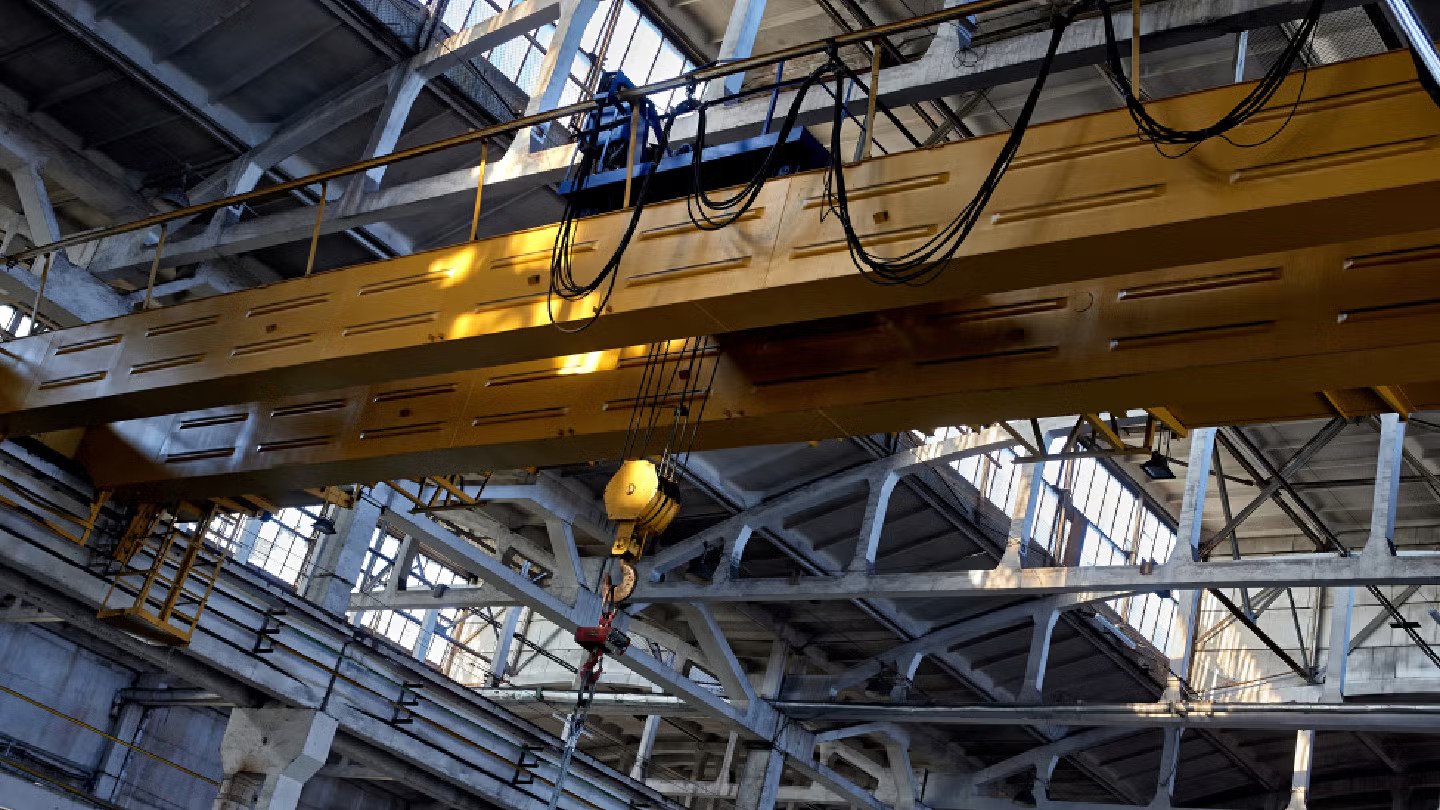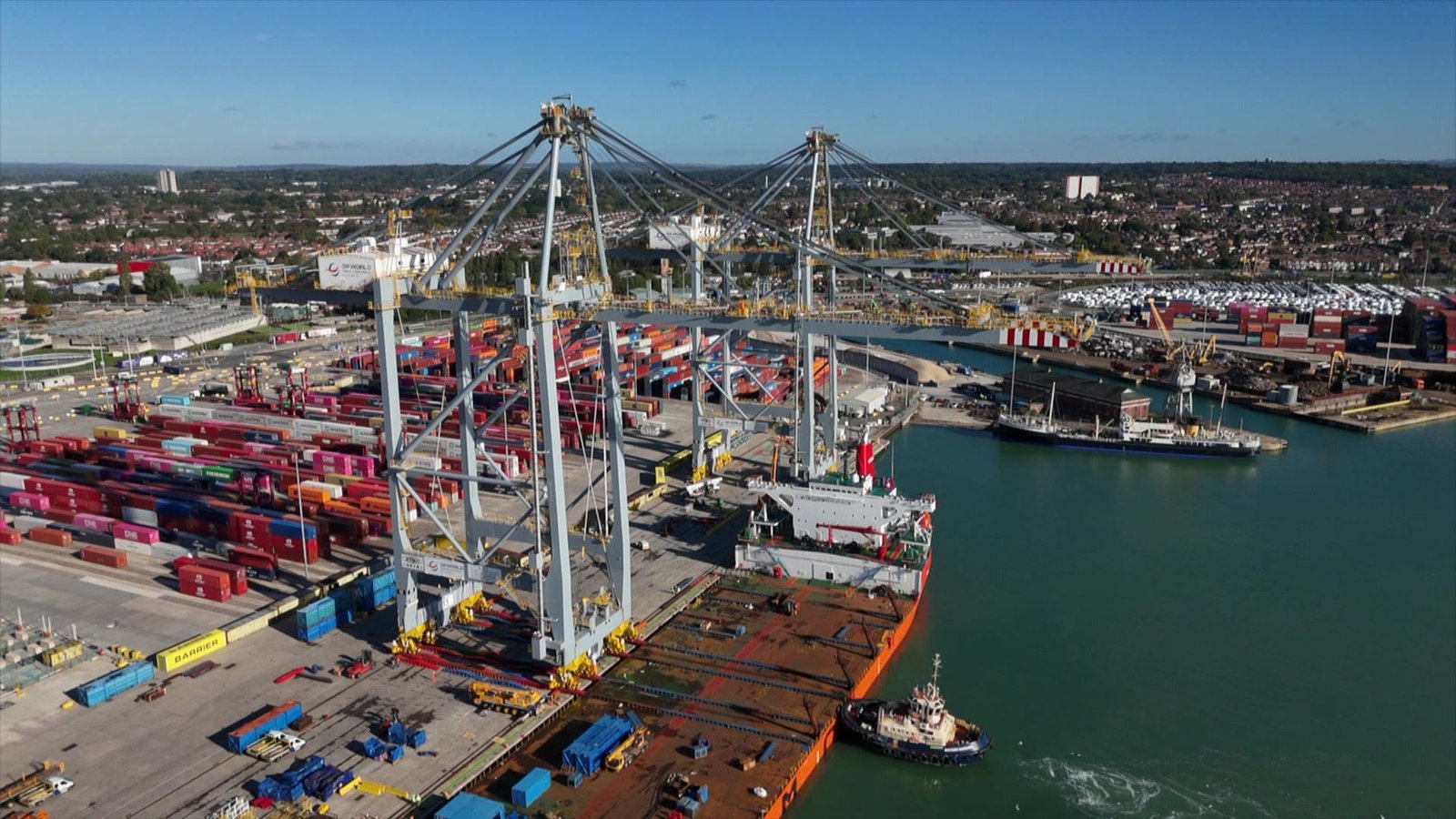
Buying a crane is not a decision that should be based only on price, lifting capacity, or a product brochure. A crane becomes part of a company’s daily operations, and its performance can directly affect productivity, safety, maintenance expenses, and project timelines. Choosing the right manufacturer is therefore just as important as choosing the right crane.
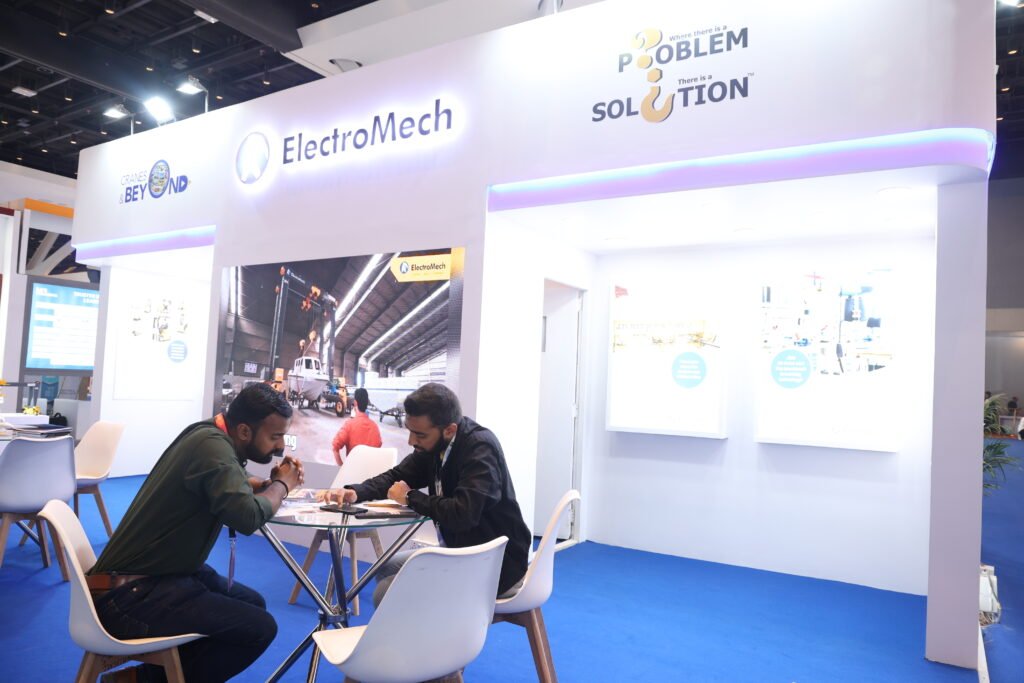
Industry exhibitions offer a major advantage because buyers can meet multiple manufacturers in one place and ask questions directly. Instead of spending weeks comparing websites and exchanging emails, you can have technical conversations, understand capabilities, compare approaches, and get a clearer picture of which manufacturer is actually suited to your requirements.
At Crane Expo 2026, buyers can use these face-to-face conversations to go beyond the basic product specifications and understand what they are really getting, both with the crane and the company behind it.
1. Will the Manufacturer Understand Your Lifting Requirements?
Every lifting requirement is different, so the right crane depends on the actual working conditions. A reputable manufacturer should understand your load capacity, lifting frequency, working environment, span, lifting height, duty cycle, available space, and future requirements before suggesting a solution.
In the expo, use the opportunity to explain your application in detail and ask manufacturers how they would approach it. The right questions from the manufacturer can be a strong sign that they are focused on finding a suitable solution rather than simply selling a standard crane.
2. Can You Customize the Crane for My Facility?
Every facility has different space, layout, and operational requirements, so a standard crane may not always be the right fit. Building dimensions, headroom, workflow, load requirements, and existing equipment can all influence the crane design.
You can ask manufacturers about customization options such as crane dimensions, controls, lifting speeds, safety features, and integration with existing systems. The goal is to find a crane that fits your facility and works efficiently within your operation.
3. What Happens After Installation?
Buying a crane is only the beginning. Ask the manufacturer about commissioning, testing, operator training, inspections, preventive maintenance, spare parts, and technical support after installation.
Also ask how quickly they can respond to breakdowns or service requirements. Reliable after-sales support can reduce downtime, keep the crane performing efficiently, and add greater value to your investment over the long term.
4. How Easily Can I Get Spare Parts?
A small component failure can bring crane operations to a stop if the replacement part is not readily available. This can lead to production delays, increased costs, and unnecessary downtime. Ask manufacturers about spare-parts availability, delivery timelines, and local stock. A reliable supply of critical parts can help keep your crane running and reduce delays when maintenance is required.
5. What Safety Features Are Built Into the System?
Safety should always be a priority when choosing a crane. Instead of simply asking if the crane is safe, ask the manufacturer about features such as overload protection, emergency stops, limit switches, braking systems, anti-collision technology, alarms, and operator controls.
You can take the opportunity to understand how these safety systems work in real operating conditions. A manufacturer that can clearly explain its safety features can give buyers greater confidence in the equipment and its long-term operation.
6. Can the Crane Be Upgraded in the Future?
Technology and business needs continuous change, so the crane you buy today may require new features in the future. Ask manufacturers whether the system can support upgrades such as remote monitoring, automation, smart sensors, digital diagnostics, or advanced control systems.
Also discussing future upgrade options can help you choose equipment that grows with your business. A flexible crane can extend its useful life and reduce the need for a complete replacement as your requirements evolve.
7. What Data Can the Crane Provide?
Modern cranes can provide valuable data about equipment utilization, operating hours, lifting cycles, energy consumption, maintenance needs, and system faults. This information can help businesses understand performance and identify potential issues early. Ask manufacturers what data their crane systems can collect and how it can be accessed. Choosing a crane with strong monitoring capabilities can help your business move towards smarter, more connected operations.
8. How Efficient Is the Crane to Operate?
Two cranes with similar lifting capacities can have very different operating costs. Ask manufacturers about motor efficiency, power consumption, control systems, operating speeds, braking technology, and maintenance requirements.
Don’t just compare the purchase price but also the long-term operating costs. A more efficient crane may require a higher initial investment but can help reduce energy use, maintenance expenses, and downtime over time.
9. What Is the Expected Maintenance Requirement?
Maintenance plays an important role in a crane’s long-term performance and operating cost. Ask manufacturers which components need regular inspection, how often servicing is required, and what maintenance the crane will need throughout its operating life. Also ask about preventive maintenance plans and inspection services. Understanding these requirements upfront helps you estimate the true cost of ownership instead of looking only at the initial purchase price.
10. Where Has Your Equipment Been Used?
A manufacturer’s experience can be an important factor when choosing a crane, especially for demanding applications. Ask about similar installations, industries served, and projects involving comparable load capacities, duty cycles, and working conditions.
You can discuss real-world applications to better understand the manufacturer’s practical experience. This discussion also provides greater confidence that they are aware of the challenges and requirements of your industry.
11. Who Will Be Responsible for Installation and Commissioning?
Proper installation and commissioning are essential for reliable crane performance. Ask the manufacturer whether installation is handled by their own team or an external service provider, and clarify who is responsible for testing, alignment, commissioning, and final inspection. Understanding these responsibilities beforehand can help avoid confusion after purchase. A clearly defined installation process ensures the crane is properly prepared before it starts operating.
12. What Training Will My Operators Receive?
Even advanced crane technology depends on skilled operators. Ask manufacturers whether operator training is included and whether it covers controls, safety features, operating procedures, emergency situations, and basic equipment monitoring.
You can also ask about specialized training for cranes with automation, digital controls, or smart monitoring systems. Proper training helps operators use the equipment safely, confidently, and efficiently.
13. What Is the Total Cost of Ownership?
The lowest purchase price does not always mean the lowest overall cost. Buyers should consider installation, energy consumption, maintenance, spare parts, inspections, upgrades, and potential downtime when comparing crane options.
You can ask manufacturers to explain the expected costs over the crane’s operating life. Looking at the total cost of ownership gives you a clearer picture of the investment and its long-term value.
14. How Does Your Solution Compare with Other Options?
Instead of only asking why you should choose their crane, ask manufacturers how their solution compares with other technologies and where it offers the most value. This can help you understand the strengths and limitations of different options.
You can genuinely evaluate how well a manufacturer’s solution aligns with your specific needs. A straightforward and practical response often indicates that the manufacturer is committed to finding the right solution rather than merely making a sale.
15. Can You Support My Future Expansion?
Your lifting requirements may change as your business grows, so it is important to choose a manufacturer that can support future needs. Ask whether they can provide additional cranes, higher capacities, automation, modernization, or fleet expansion when required. Discuss your long-term plans with manufacturers and understand how they can support your growth. A reliable manufacturing partner should be able to grow alongside your business.
Conclusion
Choosing the right crane manufacturer is about much more than comparing prices and specifications. Buyers need to look at the complete picture of engineering expertise, safety, technology, maintenance, spare parts, after-sales support, and the manufacturer’s ability to support future requirements.
Crane Expo 2026 gives buyers the chance to have these conversations directly, compare different solutions, and understand what each manufacturer can offer beyond the crane itself. Asking the right questions can help businesses make a more confident investment and choose a partner that can support their operations for years to come.