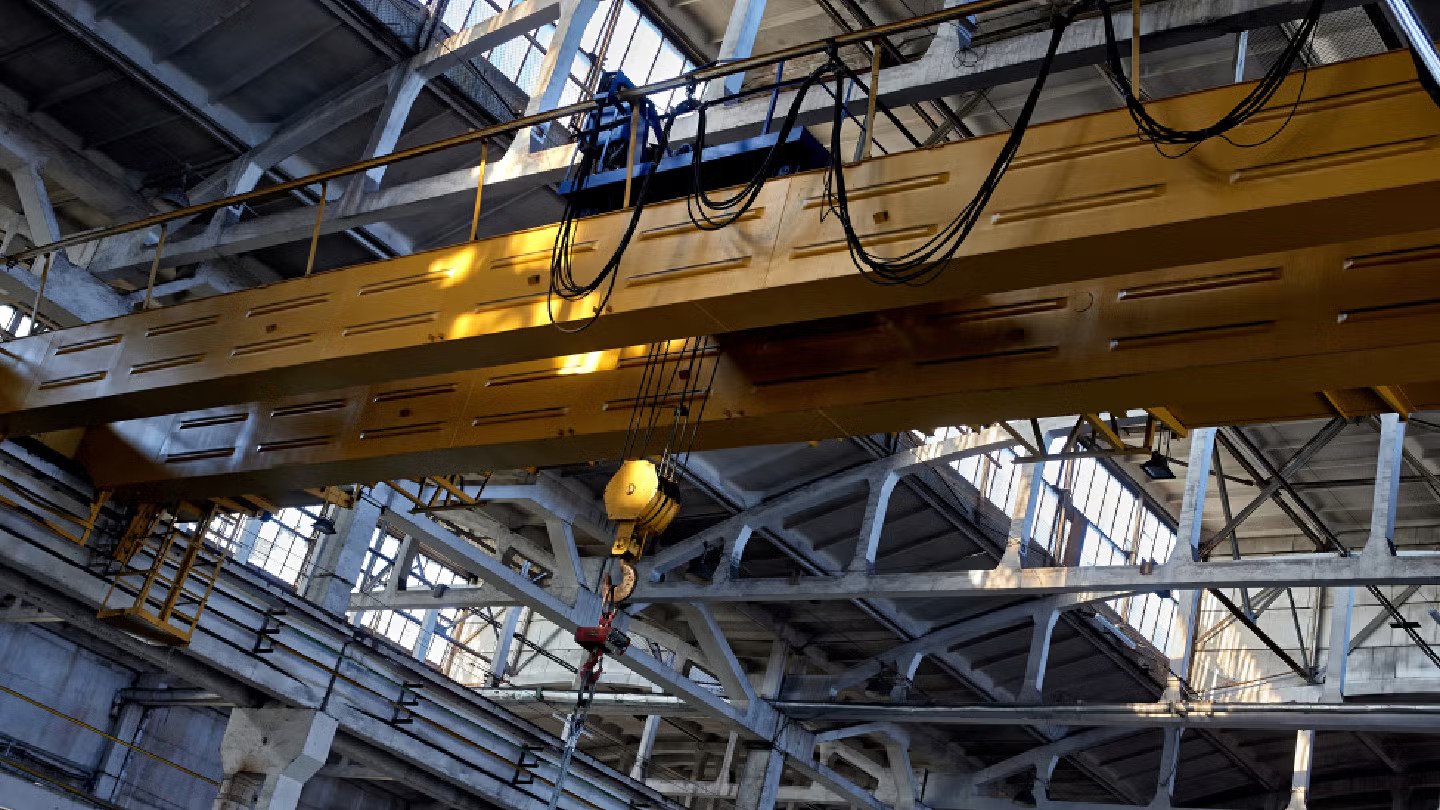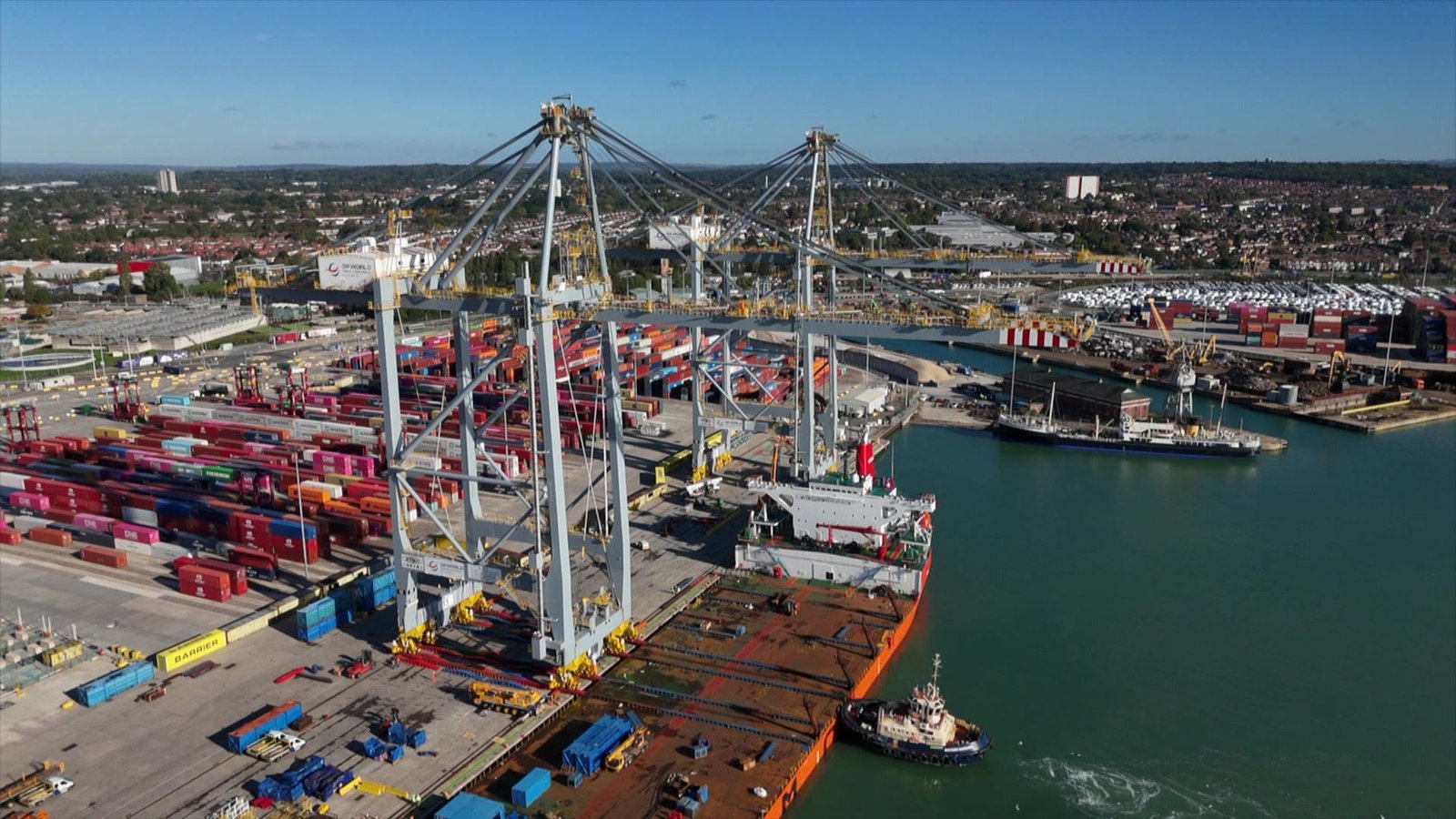
Downtime is one of the biggest challenges affecting productivity and profitability.
Whether it occurs in a manufacturing plant, warehouse, port, steel facility, or construction site, even a short interruption in material handling can delay production, disrupt supply chains, increase operating costs, and impact customer commitments.
Traditionally, companies managed downtime by responding to equipment failures after they occurred. However, with tighter project schedules and higher customer expectations, this reactive approach is no longer sustainable. Businesses now need systems that can identify problems early, improve operational accuracy, and keep equipment running consistently.
This is where automation is making a significant difference. Modern material handling systems are becoming more intelligent, using connected technologies, smart controls, sensors, and digital monitoring to reduce delays and improve operational reliability. Automation is no longer just about reducing manual work, it is about creating smoother workflows, minimizing unexpected interruptions, and helping businesses make better operational decisions.
As industries continue investing in digital transformation, automation is becoming a key driver of efficiency across the lifting and material handling sector. Crane Expo 2026 will provide businesses with the opportunity to explore these technologies and understand how automated solutions are changing the future of industrial operations.
Automation Reduces Human Error
Many operational delays are not caused by equipment failure but by manual errors. Incorrect load positioning, poor coordination, communication gaps, and inconsistent operating practices can all slow down material handling operations.
Automated systems help standardize lifting processes by following programmed movements and predefined operating sequences. This reduces variability between operators and ensures tasks are completed with greater precision and consistency. The result is fewer interruptions, improved workflow, and more predictable daily operations.
Continuous Monitoring Prevents Unexpected Failures
One of the biggest advantages of automation is its ability to monitor equipment continuously while it is operating. Sensors installed throughout modern crane systems track motor performance, brake conditions, load cycles, vibration levels, operating temperatures, and electrical components. Instead of waiting for visible signs of wear, automated monitoring systems identify small changes that may indicate developing problems.
Maintenance teams receive alerts before failures occur, allowing repairs to be scheduled during planned maintenance windows rather than during active production. This significantly reduces unplanned downtime.
Faster Material Flow Improves Productivity
Automation helps businesses move materials more efficiently by reducing unnecessary waiting time between lifting operations. Instead of relying on manual coordination, automated crane systems communicate with production equipment, conveyors, warehouse management software, and scheduling systems to create a continuous flow of materials.
This reduces idle time for both equipment and workers while increasing the overall speed of production. For industries handling high volumes of materials, smoother workflows translate directly into higher productivity.
Smart Scheduling Keeps Equipment Available
One common reason for downtime is poor equipment scheduling. Cranes may be overloaded during one shift while remaining underutilized during another. Automated scheduling systems analyse workload patterns, production requirements, and equipment availability to distribute lifting tasks more efficiently.
Managers gain better visibility into crane utilization, allowing them to allocate resources where they are needed most. Balanced workloads reduce unnecessary wear and improve overall fleet performance.
Remote Diagnostics Reduce Maintenance Delays
When equipment develops a fault, identifying the exact cause often takes valuable time. Modern automated crane systems allow service teams to perform remote diagnostics by accessing equipment data in real time.
Technicians can analyse system performance, identify faults, recommend corrective actions, and prepare replacement parts before arriving on site. This shortens repair times and helps businesses return equipment to operation much faster.
Automated Safety Systems Prevent Costly Interruptions
Safety incidents can stop operations immediately and create long production delays. Automation improves workplace safety by integrating systems such as overload protection, anti-collision technology, travel limit controls, swing control, and automatic braking.
These intelligent safety features continuously monitor crane operations and respond instantly when unsafe conditions are detected. By preventing accidents before they occur, businesses avoid costly downtime while protecting both employees and equipment.
Digital Integration Creates Smoother Operations
Today’s automated cranes no longer work independently. They are increasingly connected with warehouse management systems, production software, enterprise resource planning (ERP) platforms, and maintenance management systems.
This digital integration improves communication across departments, allowing production teams, maintenance engineers, and operations managers to work with the same real-time information. Better coordination reduces delays, improves planning, and keeps material moving efficiently throughout the facility.
Automation Supports Predictive Maintenance
Maintenance is essential, but stopping equipment unexpectedly can affect the entire production process. Automated monitoring systems continuously analyse equipment health and predict when maintenance will be required.
Instead of servicing equipment based only on fixed schedules, companies can perform maintenance exactly when needed. This predictive approach extends equipment life while minimizing production interruptions.
Automation Helps Manage Growing Workloads
Industrial facilities are handling larger production volumes than ever before. Warehouses are processing more shipments, ports are moving more containers, and factories are operating at higher capacities. Automation allows businesses to handle these increasing workloads without proportionally increasing labour requirements or operational complexity.
Automated lifting systems maintain consistent performance throughout long operating hours, helping businesses meet production targets even during periods of high demand.
Better Data Leads to Better Decisions
Automation generates valuable operational data that helps businesses understand how efficiently their material handling systems are performing. Managers can track equipment utilization, lifting cycles, idle time, maintenance history, energy consumption, and workflow efficiency through centralized dashboards.
This information helps identify bottlenecks, improve resource planning, and optimize operations across multiple facilities. The result is continuous improvement rather than simply reacting to problems.
Discover the Future of Automated Material Handling at Crane Expo 2026
Automation is reshaping every stage of material handling, from lifting and transportation to maintenance and operational planning. Crane Expo 2026 will bring together manufacturers, automation specialists, software providers, and technology innovators who are developing the next generation of smart material handling solutions.
Visitors will have the opportunity to explore automated crane systems, intelligent control technologies, predictive maintenance platforms, remote monitoring solutions, digital fleet management tools, and advanced safety systems. By interacting directly with industry experts, businesses can better understand how automation can reduce downtime, improve productivity, and support long-term operational growth.
Final Thoughts
Downtime is more than an operational inconvenience—it directly affects production schedules, customer commitments, profitability, and business reputation. As industries continue to demand faster operations and greater efficiency, automation is becoming one of the most effective ways to reduce interruptions and improve reliability.
Companies that invest in automated material handling systems today are building operations that are more resilient, efficient, and prepared for future challenges. By embracing automation, businesses can move beyond reactive maintenance and manual processes toward smarter, data-driven operations that keep equipment running and projects on schedule.
For organizations planning their next investment in lifting and material handling technology, Crane Expo 2026 offers an ideal opportunity to explore the solutions that are defining the future of industrial automation.