Your existing supplier network could be the reason you’re still behind your competition.
Many businesses naturally continue working with the suppliers they already know. There is nothing wrong with trusted relationships, but relying on the same network indefinitely can mean missing new technologies, alternative solutions, emerging suppliers, or opportunities in markets you have not considered.
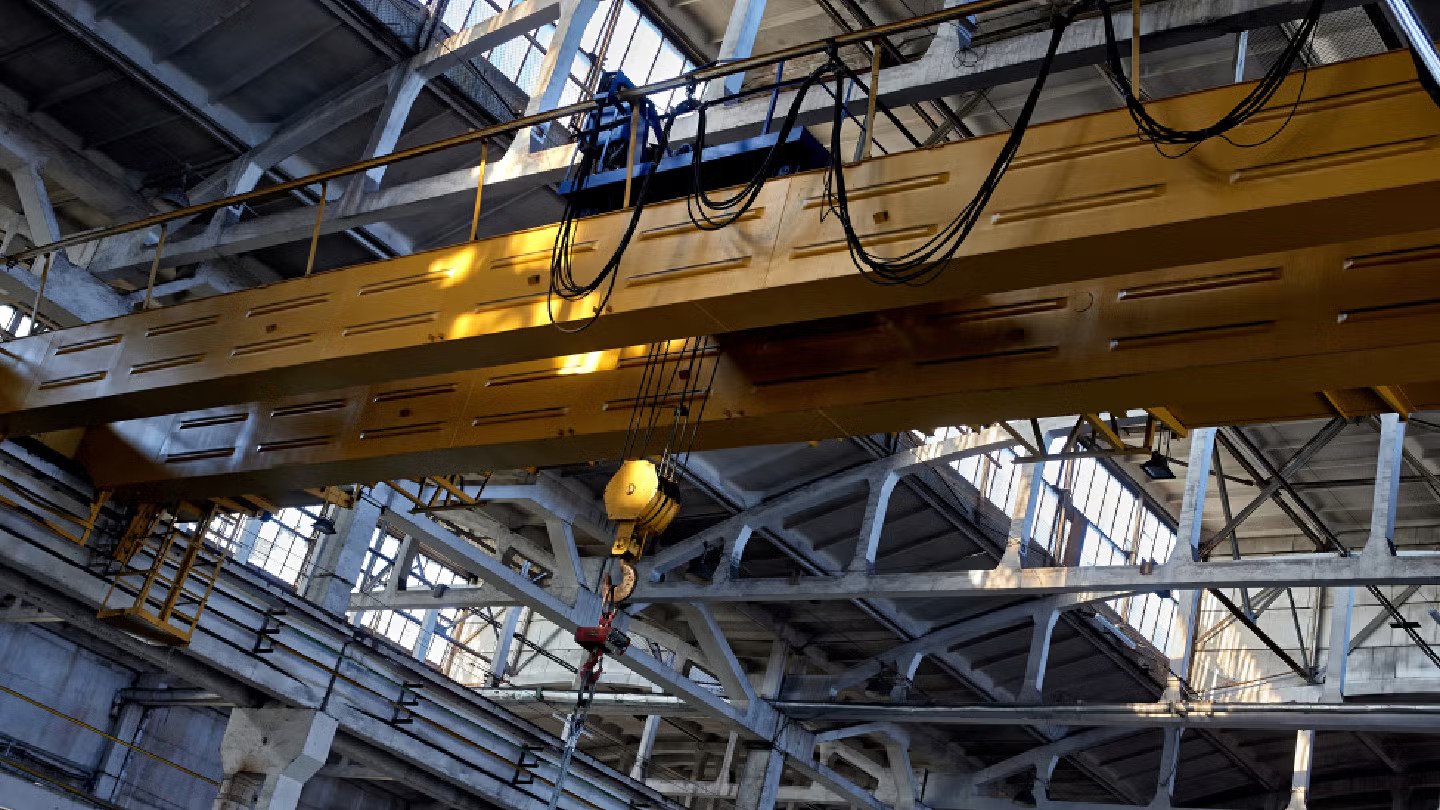
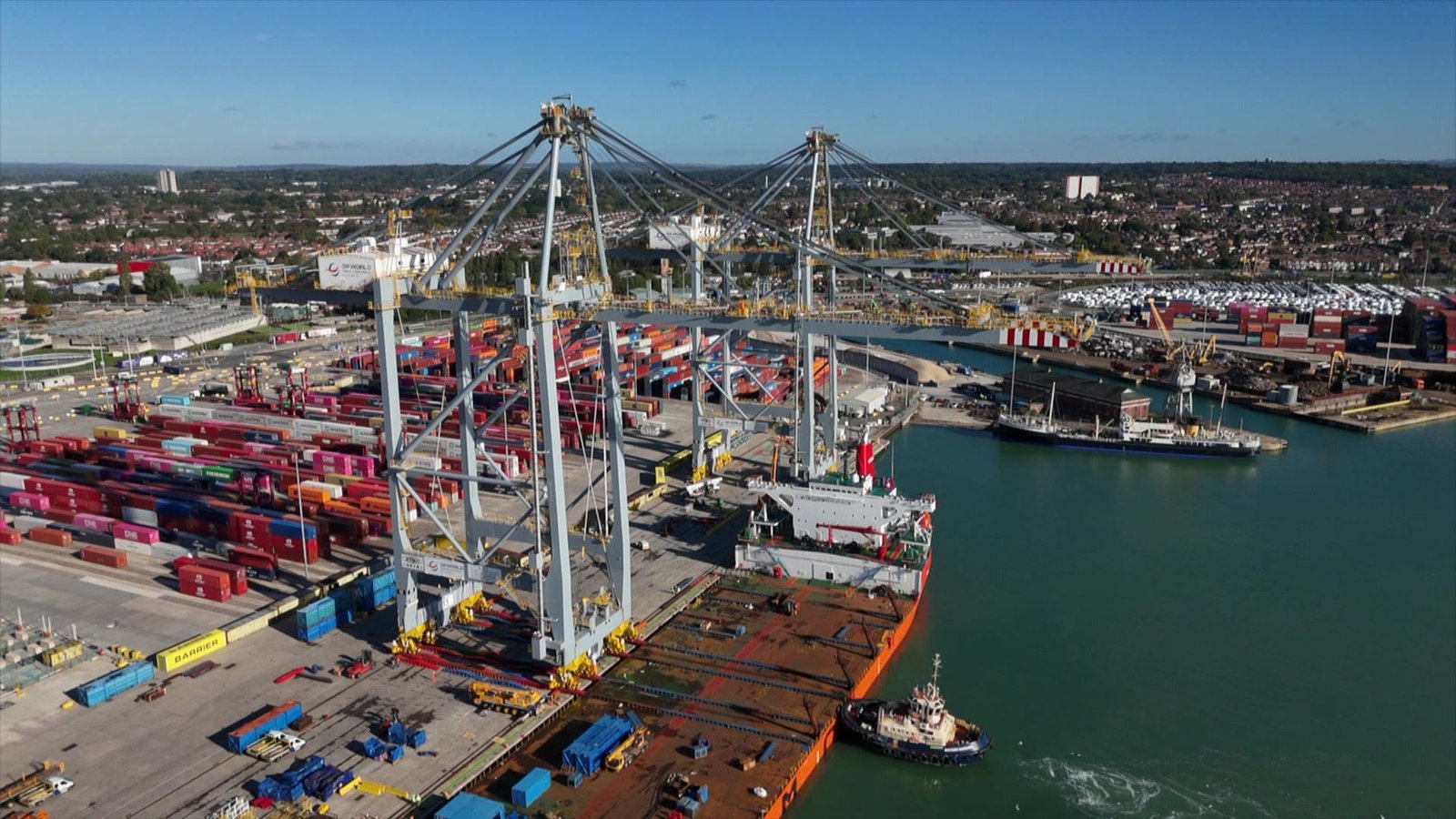
The next phase of the crane industry is likely to bring more collaboration between traditional crane manufacturers and companies working in automation, software, sensors, safety systems, monitoring, and energy management.
If you only speak to the companies you already know, you may never discover what else is available. That is where a focused industry platform becomes valuable.
The next five years will not wait for businesses to catch up. New projects, smarter equipment, tighter timelines, changing customer expectations, and faster technology adoption are already reshaping the lifting industry. The real question is not what will change? It is whether your business will. The key question is whether your business will connect with the right people when it does.
For anyone looking to discover new solutions, meet manufacturers, and understand where the market is heading, Register as a Visitor for Crane Expo 2026. And for companies looking to put their solutions directly in front of the people making these decisions, Register as an Exhibitor and become part of the conversation.
The Biggest Risk Is Not Just Missing Out On Technology; It Is Failing To Engage In The Right Conversations About It.
When an industry changes, businesses rarely get a single warning that says, “This is the next big thing.” Change happens through hundreds of smaller conversations between manufacturers and buyers, engineers and suppliers, contractors and technology providers, and businesses facing the same operational challenges.
That is why industry networking matters
A company may hear about automation, predictive maintenance, remote monitoring, energy-efficient systems, or digital controls, but hearing about them is very different from understanding where they can actually create value.
The businesses that build those connections early have more opportunities to learn, compare, ask questions, and act before everyone else is looking for the same solutions.
The Technology Is Changing But So Are Buying Decisions
A few years ago, purchasing decisions could revolve heavily around lifting capacity, specifications, price, and delivery.
Today, buyers are asking broader questions. How much downtime will this equipment create? Can it be monitored remotely? How easily can it be upgraded? What will maintenance cost? How much energy will it consume? Can it integrate with existing systems? What happens when something fails? Will the manufacturer be able to support us five years from now?
These questions are changing the relationship between buyers and manufacturers. Businesses that understand these changing expectations early can make better purchasing decisions, and manufacturers that understand what buyers will demand next can develop stronger products and services.
The Cost of Waiting Can Be Bigger Than the Cost of Investing
Innovation does not always require replacing an entire crane fleet or investing in the most expensive technology available. Sometimes the opportunity is much smaller.
A monitoring system could help identify equipment problems earlier. A control upgrade could improve operation. Better maintenance planning could reduce unnecessary downtime. An automation solution could remove a repetitive process. A more efficient drive system could reduce energy consumption.
The challenge is knowing which improvement will actually make a difference to your operation. That answer usually does not come from a brochure. It comes from asking the right people the right questions.
Projects Are Becoming More Connected
Modern industrial projects rarely operate in isolation. A crane may now need to interact with production systems, warehouse software, maintenance platforms, sensors, scheduling tools, and other equipment. This means the traditional idea of buying a crane as a standalone machine is changing.
Businesses increasingly need to think about the crane as part of a larger operational system. That creates opportunities for companies that can connect different technologies and creates a risk for businesses that do not understand how these systems can work together.
The Right Business Connection Can Save Months of Searching
Finding a suitable technology or supplier can take weeks or months when done through scattered online research, cold calls, and individual meetings. A focused exhibition changes that equation.
Instead of searching for one company at a time, businesses can meet multiple relevant companies in one environment, explain their requirements, compare approaches, and identify which conversations are worth continuing after the event.
For a procurement team, that can make supplier discovery easier. For an engineering team, it can speed up technical research. For a business owner, it can reveal opportunities that were not previously on the radar.
What If Your Competitor Finds the Solution First?
This is where the conversation becomes more serious. Imagine two companies operating in the same market. Both face rising maintenance costs. Both want faster operations. Both are looking at ways to improve productivity.
One company starts speaking to technology providers, manufacturers, and industry experts. It discovers a practical way to monitor equipment performance and improve maintenance planning.
The other company continues operating exactly as before. The difference may not be obvious immediately. But over time, better equipment utilization, fewer interruptions, lower operating costs, or faster project execution can create a competitive advantage.
Innovation is often not about being dramatically different. Sometimes it is simply about improving faster than the competition.
The Next Five Years Will Reward Better Questions
The companies that stay ahead will not necessarily be those with the biggest budgets. They will be the ones asking better questions.
- What should we upgrade?
- Where are we losing productivity?
- Can this process be automated?
- How can we reduce downtime?
- Are we using our cranes efficiently?
- What technology is mature enough to adopt now?
- What will our customers expect next?
- Which suppliers can support us for the long term?
Finding the answers requires access to people who are already working on these challenges.
Why Crane Expo 2026 Matters at This Stage
Crane Expo 2026 is taking place at the Jio World Convention Centre, Mumbai, from 27–29 October 2026, bringing together the lifting and material handling ecosystem in one place. The event is positioned around real industrial applications, with manufacturers, technology providers, service companies, procurement teams, plant heads, contractors, engineers, and other industry professionals coming together.
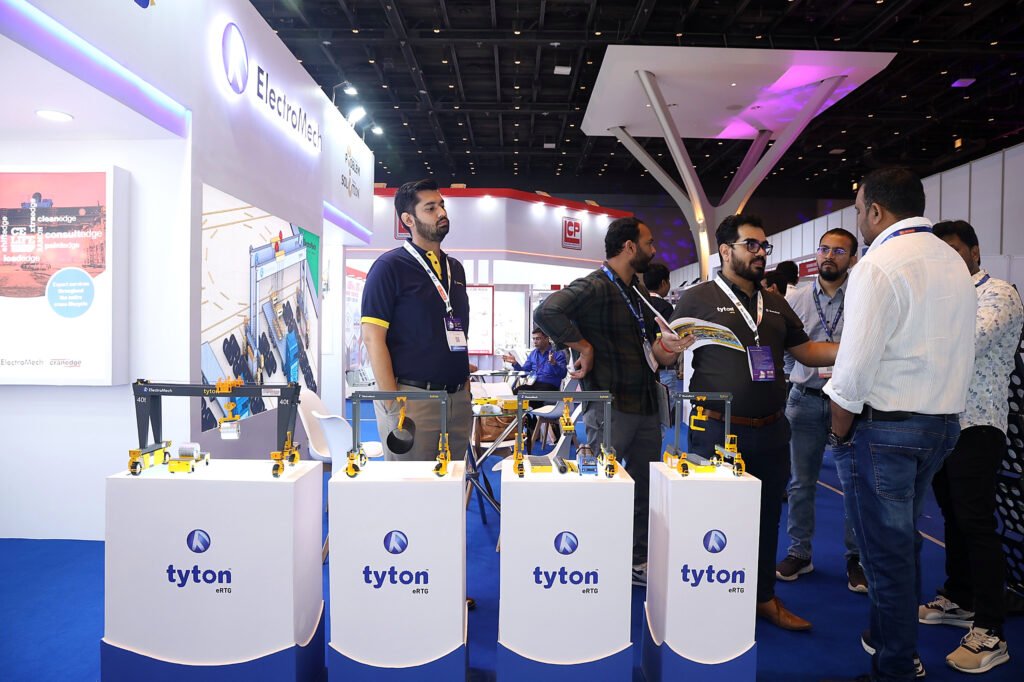
That makes the event particularly relevant at a time when the industry is moving beyond traditional equipment conversations. Visitors can explore cranes and lifting systems, compare solutions, speak directly with manufacturers and experts, see live demonstrations, and discuss challenges around efficiency, safety, maintenance, automation, and modernisation.
For exhibitors, the opportunity goes beyond displaying equipment. It is about getting in front of businesses that have real requirements, understanding what buyers are looking for, and creating relationships that can continue after the exhibition.
Come With a Requirement, Not Just a Business Card
The most valuable way to attend an industrial exhibition is to arrive with questions. Know the problems you want to solve. Know the equipment you may need to upgrade. Know where your operation is losing time. Know what your maintenance team struggles with. Know what your next project may require.
Then use the exhibition to find people who can help you answer those questions. That changes an exhibition visit from simply walking through booths into a focused business exercise.
The Industry Will Move Forward With or Without You
The crane industry is not waiting for the next five years to begin. Automation is developing. Digital monitoring is expanding. Equipment is becoming more connected. Customers are demanding greater efficiency. Manufacturers are developing new approaches to safety, maintenance, energy use, and operational control.
The businesses that stay connected to these developments will have a clearer view of what is coming. Those that remain disconnected may find themselves reacting after the market has already moved.
Final Thoughts
The next five years will create opportunities, but they will also expose businesses that are slow to adapt. The biggest advantage may not come from owning the newest crane or adopting every new technology. It may come from knowing what is worth adopting, who can provide it, and when to make the move. That knowledge comes from conversations.
Crane Expo 2026 is an opportunity to have those conversations in one place. Meet the manufacturers. Question the technology. Compare solutions. Talk about your challenges. Discover companies you did not know existed. And most importantly, build the relationships that can help your business make better decisions as the industry moves forward.
Because in the next five years, staying connected to the industry may be just as important as staying ahead of the technology.