
Building a ship is a complex process. It involves assembling the hull, positioning massive steel plates, and installing engines, propellers, and other heavy machinery. Each stage necessitates careful handling of materials and components. Some of these components can weigh several tonnes, requiring precise lifting, moving, and positioning.
This is where cranes become essential to shipbuilding operations.
Shipyards handle materials of different sizes, weights, and shapes every day. A large steel plate, a prefabricated hull section, and a ship engine all require different lifting arrangements. Choosing the right crane is therefore not simply about lifting capacity. It is about understanding the weight, dimensions, lifting height, movement requirements, and working conditions of each operation.
A suitable crane system helps shipyards move heavy components safely, maintain production schedules, and reduce unnecessary material handling. As shipbuilding projects become larger and more complex, the demand for reliable, high-capacity, and technically advanced crane systems continues to grow.
Why Does Shipbuilding Require Specialised Crane Systems?
Unlike many manufacturing facilities, shipyards work with extremely large and heavy components that cannot always be transported using conventional material handling equipment. Consider the construction of a large commercial vessel. Its manufacturing process involves handling steel plates, structural sections, prefabricated blocks, engines, generators, propellers, and other equipment. Each component has different lifting requirements.
For example, lifting a large hull block requires a crane with sufficient capacity, reach, and stability. Moving an engine into position requires controlled movement and accurate positioning. Handling steel plates requires suitable lifting attachments that can hold the material securely without damaging it. Using an unsuitable crane can create serious operational problems, including delays, equipment damage, unsafe lifting conditions, and additional costs. This is why shipyards need crane systems selected according to their specific operations rather than relying on one general-purpose lifting arrangement.
Different Types of Cranes Used in Shipbuilding
Not every lifting operation in a shipyard requires the same type of crane. The equipment depends on where the work is taking place, how heavy the component is, and how far it needs to be moved.
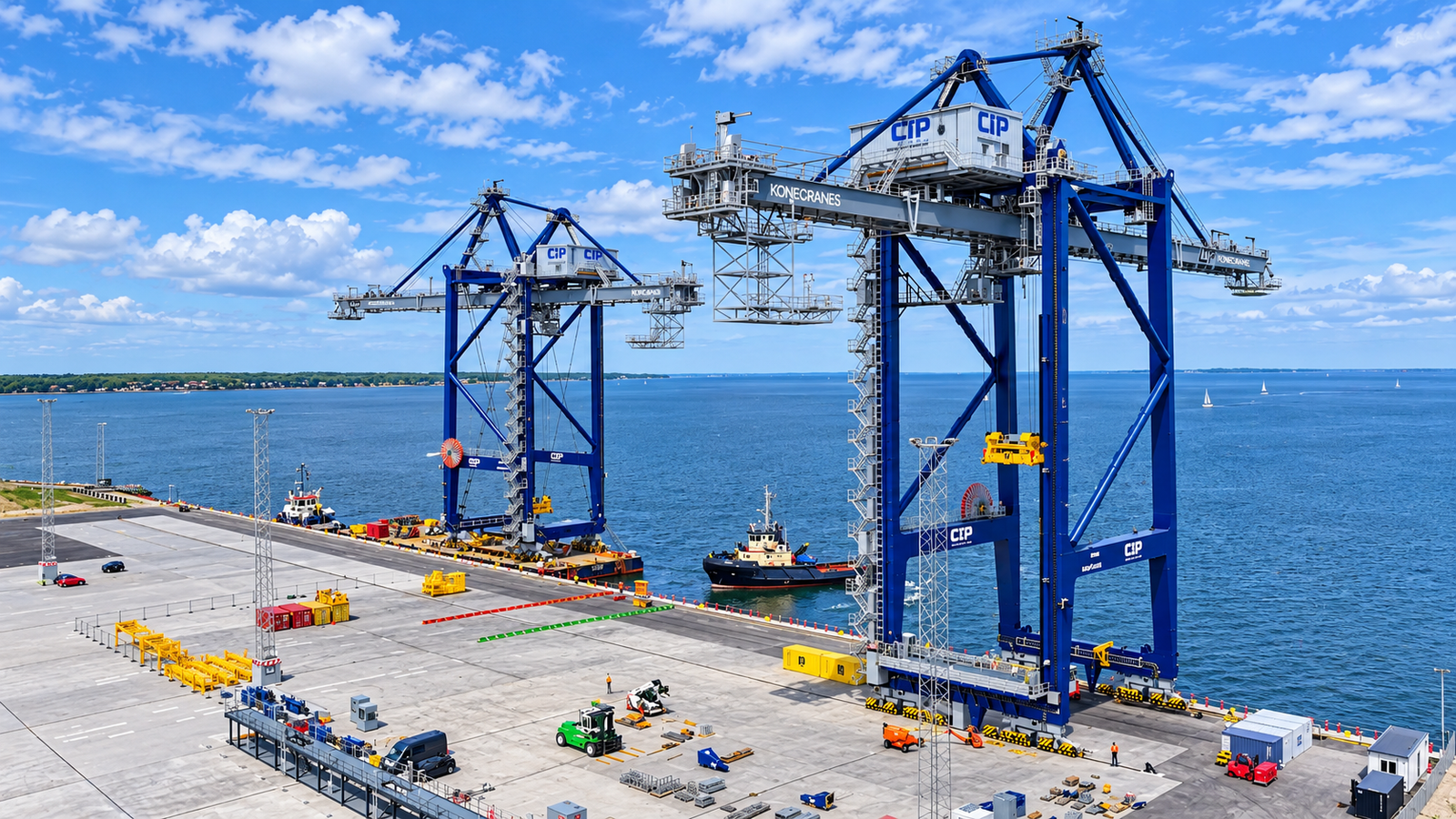
- Goliath and Gantry Cranes: Large gantry cranes, including Goliath cranes, are commonly used in major shipyards to lift and position large hull sections, steel blocks, and prefabricated ship components. Their ability to cover large working areas makes them particularly useful in ship assembly yards.
- Overhead Cranes: Overhead cranes are used inside fabrication workshops and production facilities to move steel plates, beams, machinery, and smaller structural assemblies. They help move materials between cutting, welding, fabrication, and assembly stations without occupying valuable floor space.
- Mobile and Crawler Cranes: These cranes are useful when heavy components need to be lifted at different locations around the shipyard. They can support equipment installation, movement of large machinery and lifting operations in areas where fixed cranes cannot reach.
- Jib Cranes: Jib cranes are suitable for smaller, repetitive lifting tasks in workshops, maintenance areas and equipment assembly stations. They help workers move tools, machine components and smaller loads over a defined working area.
Each crane serves a different purpose. A shipyard may use several types of cranes across its operations, with each system selected according to the lifting task and available working space.
What Components Need to Be Lifted During Shipbuilding?
Understanding the materials being handled is important when selecting a crane. Shipbuilding involves several lifting operations, from handling raw materials to installing major equipment.
- Steel Plates and Structural Sections
Steel plates are among the first materials used in ship construction. They are cut, shaped, welded and assembled to form different sections of the vessel. Cranes help move these heavy plates from storage areas to fabrication stations. Suitable lifting attachments, including plate clamps and purpose-designed lifting beams, help handle them securely.
- Hull Blocks and Large Structural Sections
Instead of constructing an entire ship in one place, many shipyards build different sections separately and then bring them together during assembly. These sections, commonly known as hull blocks, can be extremely large and heavy. High-capacity gantry cranes are used to lift and position these blocks during the assembly process.
- Engines and Heavy Machinery
Ship engines, generators, pumps and other machinery require careful lifting during installation. These components are often expensive and have specific positioning requirements. Cranes must provide controlled movement so that the equipment can be lowered into position without damaging surrounding structures or machinery.
- Propellers and Other Marine Components
Propellers, shafts and other large marine components also require specialised lifting arrangements. Their shape, weight distribution and installation position make proper rigging and controlled handling particularly important.
The important point is that every component has different lifting requirements. Selecting the right crane and lifting attachment for each job helps avoid unnecessary handling risks and installation problems.
Why Precision Matters More Than Just Lifting Capacity
When people discuss cranes, lifting capacity is often the first specification they consider. However, in shipbuilding, the ability to position a load accurately is just as important.
Imagine lifting a large prefabricated hull section weighing several tonnes. The crane may have enough capacity to lift it, but the real challenge begins when the section needs to be positioned and aligned with another structure. Even a small positioning error can create difficulties during assembly and welding.
The same applies to installing a ship engine. It is not enough to lift the engine from the ground. It must be moved through a restricted area and lowered into its designated position without damaging nearby equipment.
This is why modern crane systems need features such as variable speed control, smooth acceleration, accurate positioning and suitable load-handling attachments. Variable Frequency Drives (VFDs), for example, help control crane and hoist movements, allowing operators to handle loads more smoothly.
For shipyards, precision means fewer alignment problems, less rework and better control over the entire assembly process.
The Role of Lifting Accessories in Shipbuilding
A crane alone cannot handle every type of load safely. The equipment used between the crane hook and the component being lifted is equally important.
These accessories help distribute the load, maintain balance and provide a secure connection during lifting operations.
Some commonly used lifting accessories include:
- Wire Rope Slings: Used for lifting heavy structural components and machinery.
- Lifting Beams and Spreader Beams: Help distribute the load and maintain the correct lifting arrangement, particularly for long or wide components.
- Plate Clamps: Designed for handling steel plates, subject to the manufacturer’s specified application and operating conditions.
- Shackles and Hooks: Connect lifting equipment and accessories to the load.
- Chain Slings: Used for different industrial lifting applications where the correct configuration and capacity have been established.
For example, lifting a long steel plate from only one point may cause it to bend or become unstable. Using a properly designed lifting beam with suitable lifting points can distribute the load more evenly.
The choice of lifting accessories should always be based on the load’s weight, shape, centre of gravity and lifting arrangement. Their rated capacity, condition and compatibility with the crane must also be checked before use.
Safety Challenges in Shipyard Crane Operations
Shipyards are busy working environments. Multiple activities often take place simultaneously, including welding, cutting, fabrication, machinery installation and material movement. This makes crane operations particularly demanding.
Some of the major safety challenges include:
- Unbalanced Loads: Large steel structures may have uneven weight distribution. If the lifting points are not selected correctly, the load can tilt or shift during lifting.
- Restricted Working Areas: Shipyards often have limited space around vessels, workshops and assembly areas. Crane operators must carefully plan the movement of heavy components to avoid collisions with structures, equipment and workers.
- Load Swinging: Long or irregularly shaped components can swing or rotate during lifting. This makes controlled movement and proper rigging essential.
- Overloading: Using a crane beyond its rated capacity can put excessive stress on the structure, hoisting mechanism and supporting equipment.
- Poor Communication: During complex lifting operations, operators, riggers and signal personnel must remain coordinated. Miscommunication can result in incorrect movements and dangerous situations.
To address these risks, shipyards should follow documented lifting plans, conduct equipment inspections, verify load weights and lifting points, and ensure that trained personnel supervise critical operations. Suspended loads should be kept clear of workers, and appropriate precautions must be taken to control swinging loads.
How to Choose the Right Crane for a Shipyard
Selecting a crane is a major investment, and the decision should be based on the shipyard’s actual production requirements rather than lifting capacity alone. Before purchasing or installing a crane, shipyard owners, project managers and procurement teams should consider the following factors:
- Maximum Load Capacity: Identify the heaviest component that needs to be lifted. The crane’s rated capacity must be suitable for the intended lifting arrangement, including the weight of lifting accessories where applicable.
- Lifting Height and Span: Consider how high the load needs to be lifted and how much horizontal distance the crane must cover. This is particularly important when moving large hull sections and machinery.
- Working Area and Layout: Check the available space, floor conditions, crane runway requirements and movement restrictions. The crane should fit into the existing shipyard layout without obstructing other activities.
- Operating Frequency: A crane used throughout multiple production shifts has different operating requirements from one used occasionally for heavy lifts. Duty classification and operating cycles should be considered during selection.
- Speed and Positioning Requirements: For precision work, smooth lifting, controlled travel and accurate positioning are important. Variable speed drives and suitable control systems can help improve handling.
- Maintenance and Spare Parts Availability: A crane breakdown can interrupt an entire production activity. Before investing, check the availability of spare parts, service support, inspection facilities and maintenance assistance.
- Future Expansion: Think beyond current production requirements. If the shipyard plans to increase production capacity or handle larger vessels in the future, the crane infrastructure should be evaluated accordingly. A properly selected crane can support production for many years. A poorly selected one can become an operational limitation much earlier than expected.
How Technology Is Changing Crane Operations in Shipyards
Crane technology is gradually moving beyond basic lifting and movement. Modern systems are giving shipyard operators better control over equipment performance, safety and maintenance.
Some of the developments worth considering include:
Remote-Controlled Crane Operations: Wireless remote controls allow operators to control crane movements from a suitable position where they have a better view of the load and surrounding work area.
- Variable Frequency Drives (VFDs): VFDs help regulate motor speed, allowing smoother starting, stopping and movement. This is particularly useful when handling expensive machinery and large structural components. Load Monitoring Systems: Load monitoring devices help operators understand how much weight is being lifted and identify potentially unsafe loading conditions.
- Anti-Collision Systems: These systems help prevent collisions between cranes or between moving crane components and surrounding structures.
- Predictive Maintenance: Sensors and monitoring systems can track equipment performance and identify unusual operating conditions. Maintenance teams can use this information to investigate potential problems before they lead to unexpected breakdowns. These technologies do not replace proper planning, skilled operators or regular inspections. However, they can make crane operations more controlled, efficient and easier to manage.
What Should Shipyards Consider Before Investing in New Crane Technology?
One common mistake businesses make is investing in new equipment without first understanding the actual problem they want to solve. For example, a shipyard experiencing delays in moving steel plates may not necessarily need a higher-capacity crane. The real problem could be poor material movement between storage and fabrication areas. Similarly, if machinery installation takes too long, the issue might be inadequate lifting precision, limited crane movement or unsuitable lifting accessories. Before investing in new crane systems, shipyards should examine their existing operations.
Here are five practical questions worth asking:
- Which lifting activity currently takes the most time?
- Are existing cranes suitable for the weight and dimensions of the components being handled?
- Are operators facing difficulties with load positioning or movement?
- How frequently do crane breakdowns interrupt production?Can automation or modern control systems improve existing operations?
However, manufacturers need to understand that shipyards do not purchase equipment based on specifications alone. Reliability, after-sales service, spare parts availability, technical support and the ability to meet application-specific requirements also influence purchasing decisions. For crane manufacturers and suppliers looking to expand their presence in this sector, understanding the challenges faced by shipyards is an important starting point.
Conclusion:
Shipbuilding involves some of the most demanding lifting and material handling operations in the industrial sector. From moving heavy steel plates and assembling hull sections to installing engines and positioning large machinery, every operation requires the right equipment and careful planning.
A crane’s role is not limited to lifting heavy loads. It directly affects how efficiently materials move through the shipyard, how accurately components are positioned and how safely production activities are carried out.
For shipyard owners, choosing the right crane means looking beyond lifting capacity. Factors such as working conditions, load dimensions, operating frequency, positioning accuracy, safety features and maintenance support all deserve attention.
For crane manufacturers and suppliers, this sector presents an opportunity to develop equipment that addresses real shipbuilding challenges.
As India’s maritime and shipbuilding industries continue to develop, the need for reliable, high-performance and application-specific crane systems will remain important.
In shipbuilding, lifting the load is only half the job. Positioning it safely, accurately and at the right time is what keeps production moving.