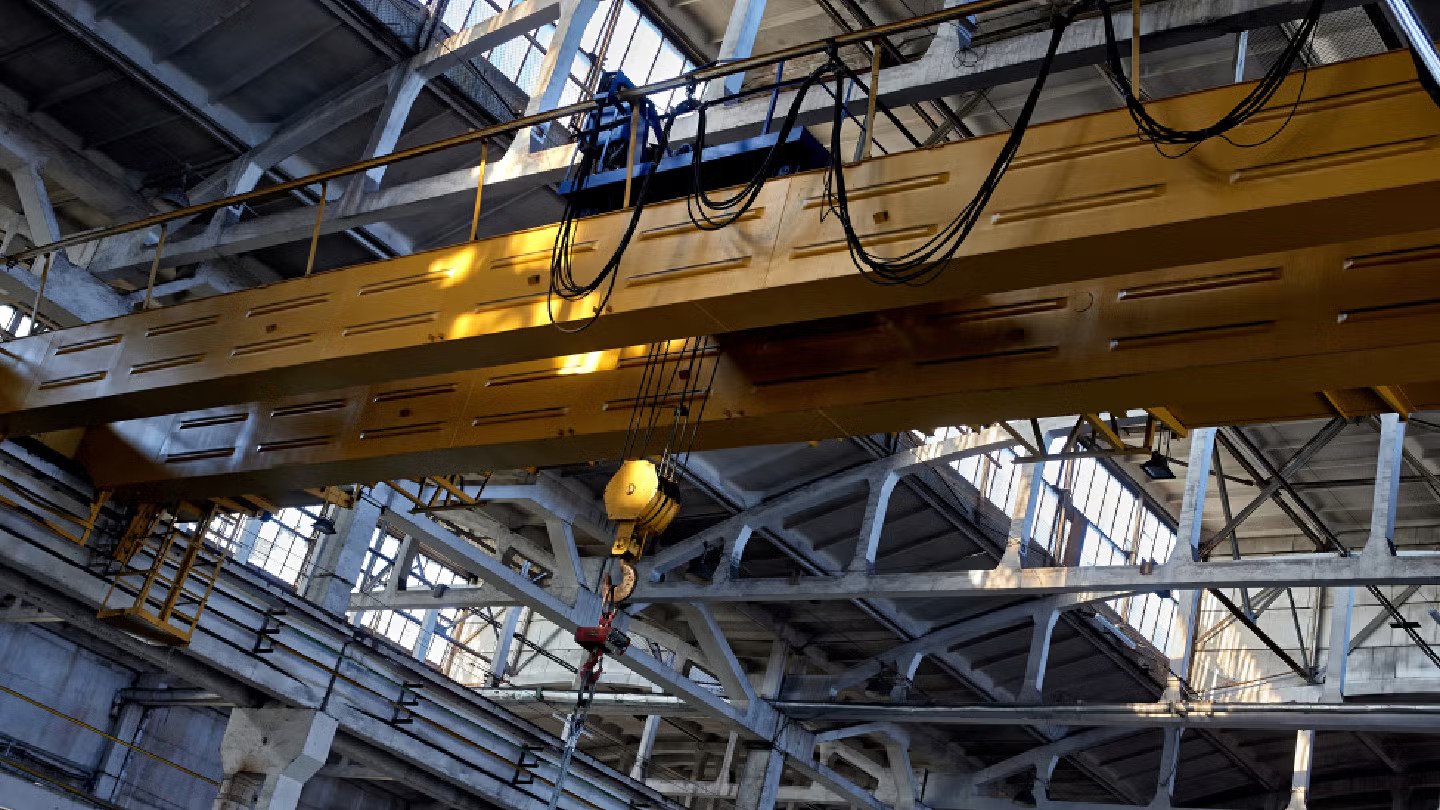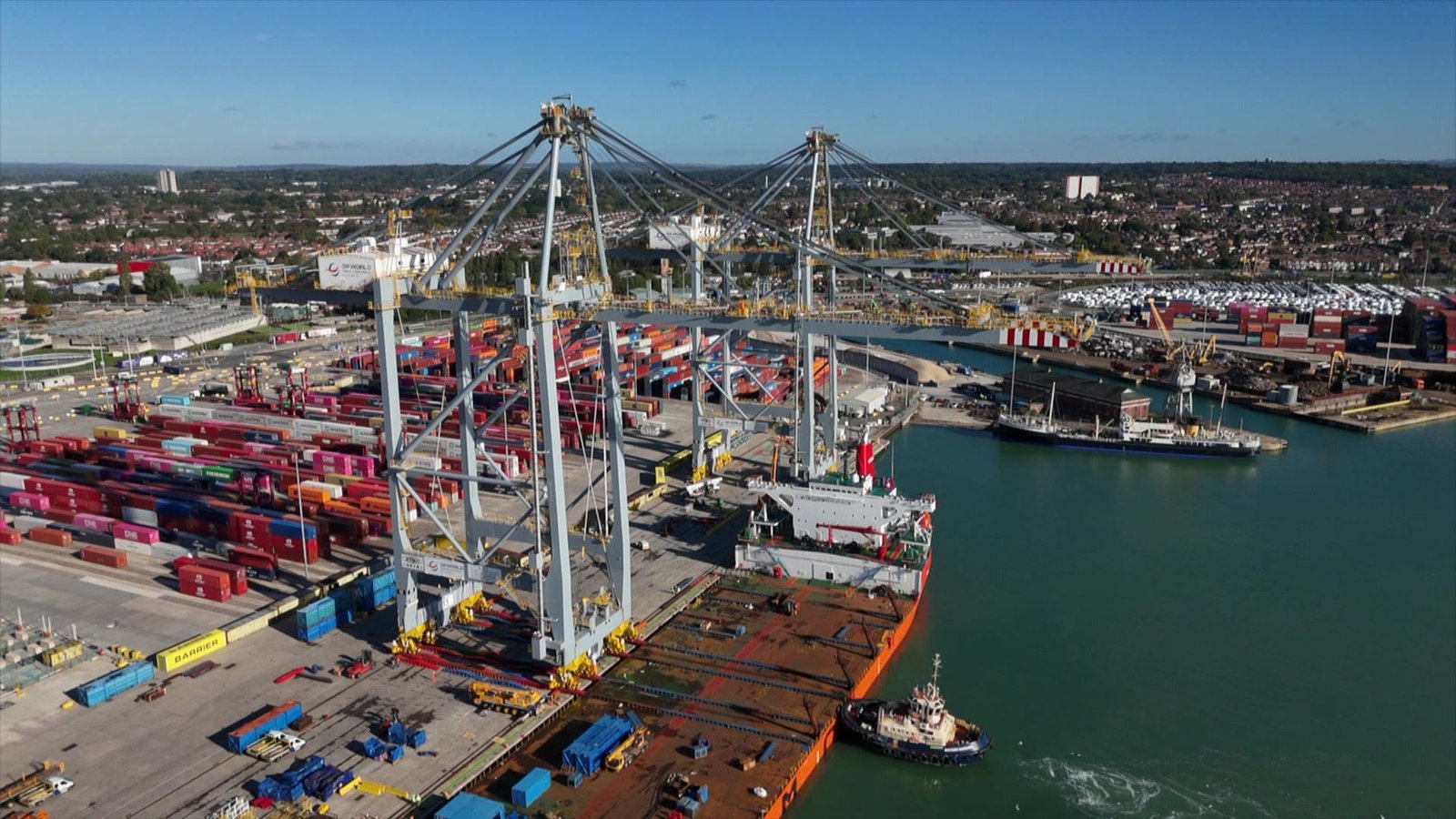
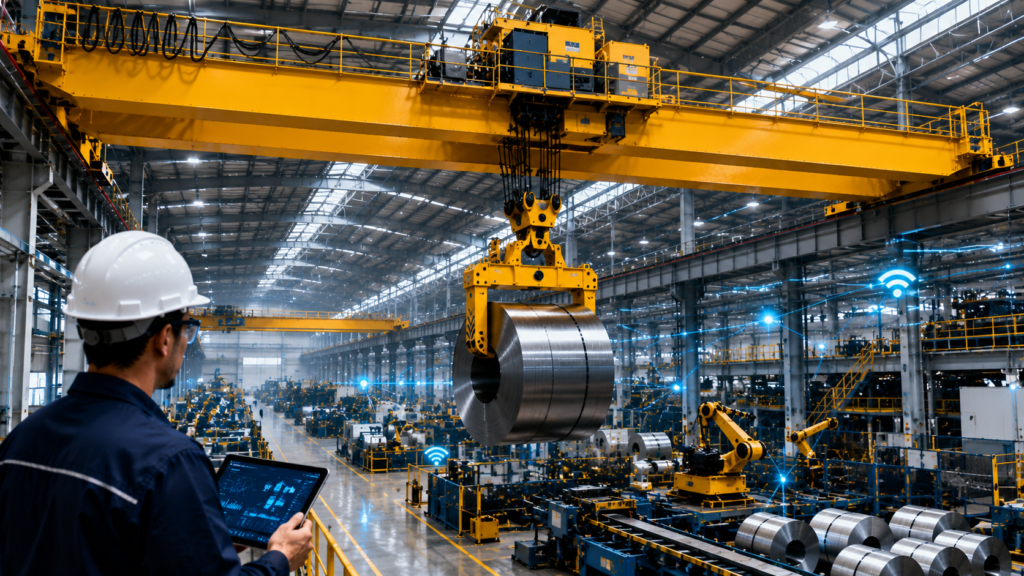
The crane industry has always been driven by strength, precision, and reliability. For decades, improvements focused on increasing lifting capacity, enhancing structural design, and building equipment that could withstand demanding working conditions. Today, however, the industry is undergoing a different kind of transformation, one powered by intelligence rather than just engineering.
Artificial Intelligence (AI) and the Internet of Things (IoT) are changing the way cranes are operated, monitored, maintained, and managed. Instead of simply lifting loads, modern cranes are becoming connected machines capable of collecting data, identifying potential issues, improving operator decisions, and supporting more efficient project execution.
This shift is not limited to large infrastructure projects or highly automated ports. Manufacturing plants, warehouses, logistics hubs, steel facilities, and construction sites are increasingly adopting smart crane technologies to improve productivity, reduce downtime, and make better use of their equipment.
As these technologies continue to evolve, businesses that understand and embrace them will be better prepared for the future. Crane Expo 2026 will be one of the key platforms where visitors can experience these innovations, interact with technology providers, and understand how connected crane systems are shaping the next generation of material handling.
Cranes Are Becoming Intelligent Assets:
Modern cranes are no longer just lifting machines; they are becoming intelligent assets that can monitor their own performance and generate valuable operational data. With AI and IoT integration, they continuously track factors such as operating hours, load patterns, energy consumption, and equipment health, giving businesses real-time visibility into their operations. This enables companies to identify potential issues early, improve equipment utilization, and shift from reactive repairs to proactive maintenance, resulting in better productivity and reduced downtime.
From Guesswork to Data-Driven Decisions:
For years, many crane operation decisions were based mainly on experience and routine. While practical knowledge is still essential, businesses today are using AI-powered analytics and IoT data to make faster, more informed decisions. Real-time insights help managers understand equipment performance, identify underutilized or overworked cranes, and spot operational bottlenecks before they become major issues.
Instead of relying on assumptions, companies can use this data to plan maintenance, allocate equipment more effectively, and optimize daily operations. The result is better planning, improved productivity, and smoother project execution with fewer unexpected delays.
AI Is Making Crane Operations More Predictable
One of the biggest advantages of artificial intelligence is its ability to identify patterns that are difficult to detect through manual inspections. By continuously analysing equipment data, AI can spot early signs of wear, mechanical stress, or performance issues before they become major problems.
This predictive capability allows maintenance teams to plan repairs in advance, reduce unexpected downtime, extend equipment life, and keep projects running on schedule. For industries where every hour of equipment availability matters, AI is becoming an essential tool for improving reliability and operational efficiency.
Connected Sites Are Improving Coordination
Manufacturing plants and logistics facilities rely on multiple teams working together, and poor communication can often lead to delays. IoT-enabled crane systems help bridge this gap by connecting equipment with project management platforms, maintenance software, and real-time operational dashboards.
With centralized access to lifting activities, equipment status, and maintenance schedules, managers can make quicker decisions and coordinate resources more effectively. This improves workflow, reduces operational disruptions, and keeps projects moving efficiently.
Smart Safety Through Continuous Monitoring
Safety remains a top priority in crane operations, and AI is helping businesses create safer workplaces through continuous monitoring. Modern crane systems can track load conditions, equipment movement, and operating limits in real time, alerting operators before a potential risk becomes a serious problem.
Instead of relying only on manual inspections, companies can use intelligent systems to support safer lifting decisions throughout every shift. This helps reduce operational risks, improve workplace safety, and maintain productivity without compromising on performance.
Every Lift Creates Valuable Information
Every lifting operation generates valuable data that helps businesses better understand how their equipment is performing. With IoT technology, companies can monitor equipment utilization, load handling patterns, energy consumption, idle time, maintenance history, and overall operational efficiency.
By analysing this information, businesses can identify productivity gaps, improve equipment usage, and make better operational decisions. Instead of simply using cranes for lifting, companies are now using data to continuously improve performance and efficiency.
Better Fleet Management Across Multiple Locations
As businesses expand across multiple factories, warehouses, ports, and project sites, managing crane fleets manually becomes more challenging. Connected crane systems provide a centralized dashboard that allows managers to monitor equipment performance and availability across every location in real time.
This improved visibility makes it easier to schedule maintenance, allocate resources efficiently, compare site performance, and maximize fleet utilization. With better control over their operations, businesses can improve productivity, reduce downtime, and make more informed decisions across all project locations.
Energy Intelligence Is Becoming Part of Crane Technology
Energy efficiency is becoming just as important as lifting performance, and AI is helping businesses use power more intelligently. By analysing operating patterns and combining them with IoT monitoring, companies can identify areas where energy consumption can be reduced without affecting productivity.
These insights help optimize equipment usage, lower electricity costs, and support sustainability goals. As industries continue focusing on cost control and operational efficiency, intelligent energy management is becoming an essential feature of modern crane systems.
AI Supports Better Business Decisions
The benefits of AI go beyond improving crane operations. Data collected from connected equipment helps businesses make informed decisions about equipment upgrades, maintenance planning, workforce management, and future investments based on actual operating performance.
Instead of relying on assumptions, companies can use real-time insights to plan more effectively and allocate resources with greater confidence. This leads to smarter long-term strategies, improved operational efficiency, and better returns on investment.
Experience the Next Generation of Smart Cranes at Crane Expo 2026
As AI and IoT continue to transform the lifting industry, Crane Expo 2026 will give visitors the opportunity to explore these innovations firsthand. The event will bring together leading manufacturers, technology providers, automation specialists, and industry experts showcasing the latest advancements in smart crane technology.
Visitors can explore AI-powered maintenance solutions, connected crane systems, intelligent monitoring technologies, and advanced safety features while interacting directly with experts. It is an ideal platform to compare solutions, gain practical insights, and understand how smart technologies can improve efficiency, safety, and productivity across industrial operations.
Final Thoughts
The future of crane operations is no longer defined only by stronger structures or higher lifting capacities. It is being shaped by intelligence, connectivity, and the ability to make faster, more informed decisions. AI and IoT are giving businesses greater visibility into their operations, helping them reduce downtime, improve safety, optimize energy use, and manage equipment more effectively.
Companies that adopt these technologies today are not simply upgrading their equipment; they are preparing their operations for the future. As the industry continues to embrace digital transformation, staying informed and connected will be just as important as investing in the right machinery. Crane Expo 2026 offers the perfect opportunity to explore this transformation and see how smart technology is redefining the future of lifting and material handling.