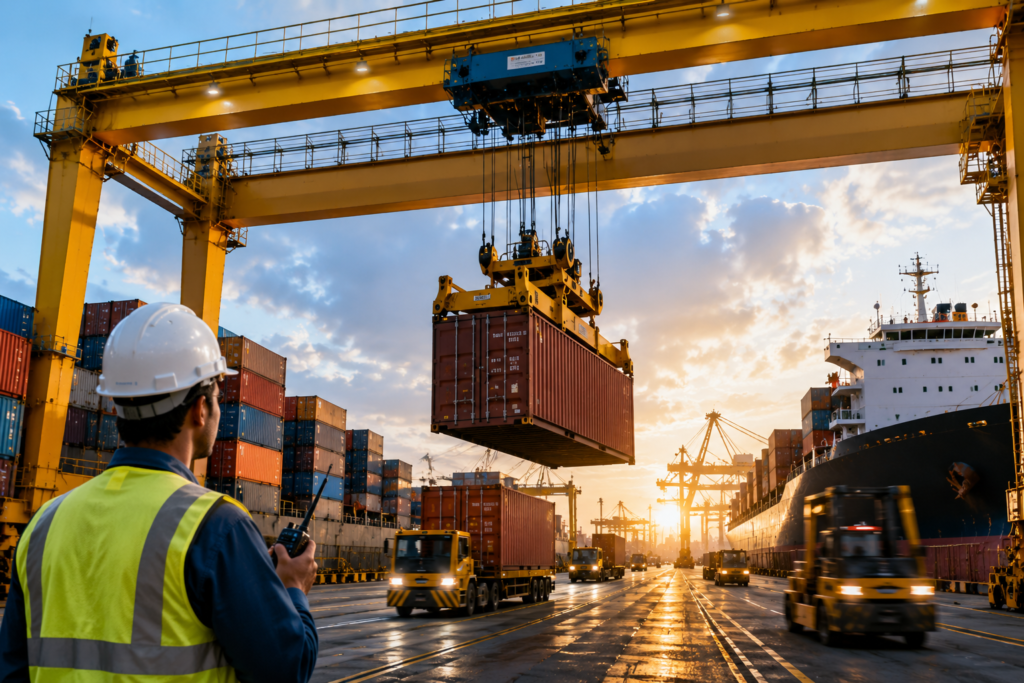
Indian ports handled record container volumes through 2025, and the pressure hasn’t eased. Every additional container that moves through a terminal faster puts more strain on the crane systems behind it, and that strain is now showing up everywhere from container yards to factory floors.
For years, the conversation around cranes started and ended with one number: how much weight can it lift. That’s no longer the only question that matters. Now it’s how fast, how consistently, and with how little unplanned downtime.
This shift is forcing a rethink of crane operations across ports, warehouses, and industrial plants, and it’s likely to be one of the central conversations at Crane Expo 2026.
Ports Are Under the Most Pressure
Container terminals feel the speed demand first and hardest. A vessel sitting longer at berth than scheduled doesn’t just cost the shipping line. It pushes back every truck booking, rail slot, and warehouse delivery scheduled around that vessel’s arrival.
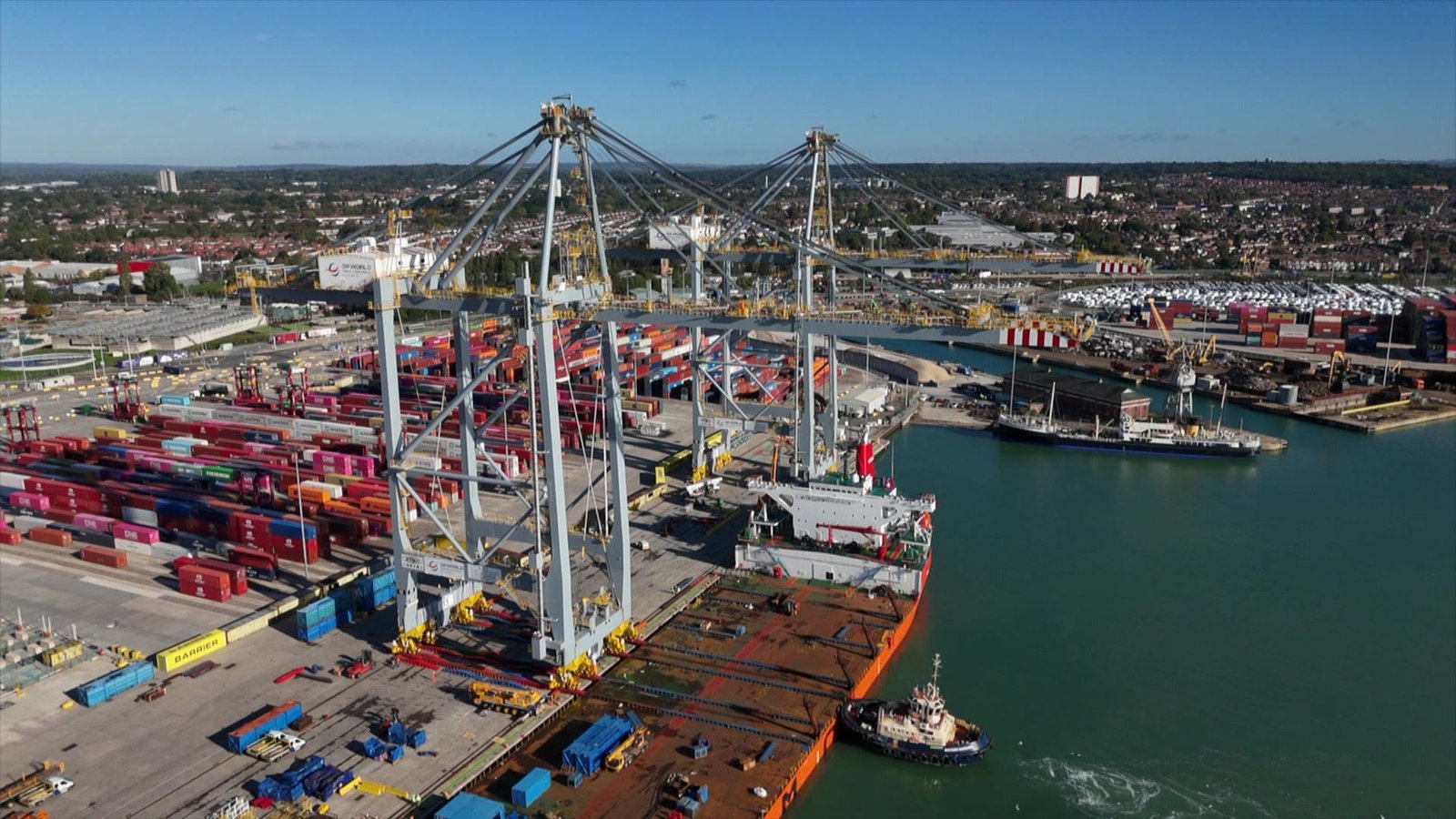
To keep turnaround times down, ports are leaning on ship-to-shore (STS) cranes with higher lifting speeds, and rail-mounted gantry (RMG) cranes in the yard that move containers between the dock and storage with less manual coordination. The goal isn’t a bigger crane. It’s a crane that completes more cycles per hour without sacrificing positioning accuracy.
Warehousing Has Caught Up to Ports
E-commerce volumes have pushed warehouse and distribution centre operations into the same speed pressure that ports have dealt with for years. The difference is warehouses are often retrofitting older facilities rather than building new ones, which makes crane selection trickier.
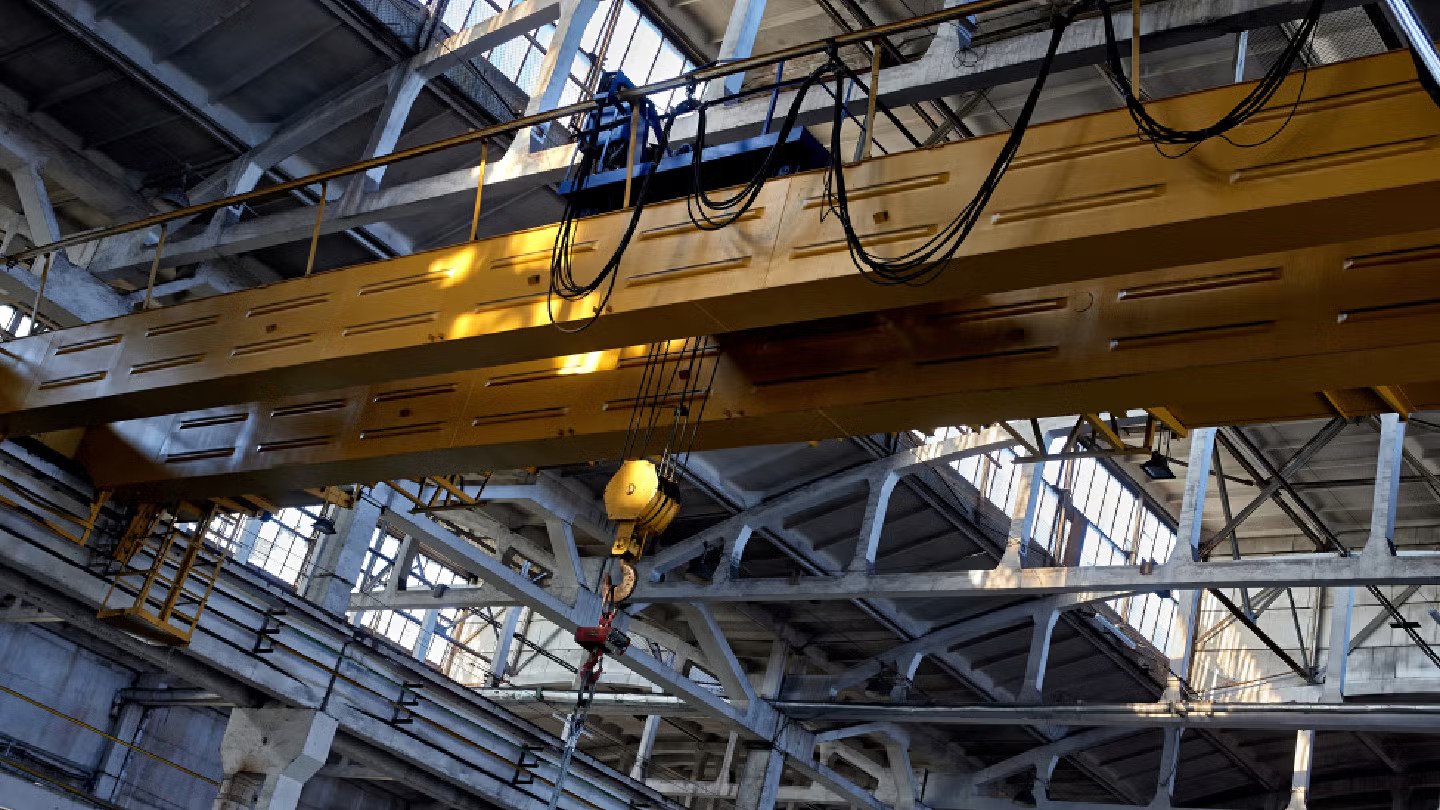
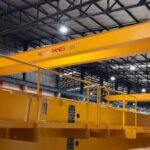
Single girder EOT cranes remain the workhorse here for light to medium duty movement, but more facilities are pairing them with automated storage systems so the crane isn’t the bottleneck between receiving and dispatch.
Automation Has Moved From Pilot to Standard
Remote-operated cranes and programmable lift sequences used to be something only the largest ports could justify. That’s changing. Mid-sized manufacturing plants and logistics hubs are now adopting semi-automated crane systems for repetitive lifts, mainly because the cost of automation hardware has dropped while the cost of a manual handling error, in both time and safety risk, hasn’t.
Automation doesn’t replace the operator. It removes the guesswork from repetitive cycles so the operator can focus on the lifts that actually need judgment.
IoT Monitoring Is Closing the Visibility Gap
A crane running flat out with no visibility into its own condition is a liability, not an asset. IoT-enabled sensors tracking motor temperature, cycle counts, and load patterns give operations teams a live read on equipment health instead of finding out something’s wrong when it stops mid-shift.
This data also feeds directly into predictive maintenance. Instead of servicing a crane on a fixed monthly schedule regardless of actual wear, teams can schedule maintenance based on what the equipment is actually telling them, which keeps cranes running longer between interventions without the surprise breakdown.
Safety Hasn’t Taken a Backseat to Speed
Faster cycles mean more equipment movement happening in the same physical space, which raises the stakes on safety systems. Anti-collision technology, load monitoring that flags overload conditions before a lift begins, and real-time alerts have moved from optional add-ons to baseline expectations on new installations.
The plants getting both speed and safety right aren’t choosing one over the other. They’re treating safety systems as part of what makes higher speed possible, not a constraint on it.
Energy Costs Are Part of the Speed Conversation Too
Running cranes for longer hours at higher utilisation pushes energy costs up, and that’s prompting a shift toward electric-powered systems with regenerative braking and optimised drive systems that recover energy during lowering cycles instead of wasting it as heat. For facilities running multiple shifts, this adds up over a year in ways that are easy to underestimate until someone runs the numbers.
The Operator’s Role Is Changing
None of this works without people who understand it. Operating a crane with digital controls, automation interfaces, and condition monitoring dashboards is a different skill set than operating a purely manual system, and plants that have invested in upgraded equipment without investing in operator training tend to see the gap show up in underused features and avoidable errors.
What This Means for Crane Expo 2026
These shifts, faster port and warehouse cycles, rising automation adoption, IoT-driven monitoring, and tighter safety integration, are exactly the categories Crane Expo 2026 visitors will be evaluating. Manufacturers and technology providers exhibiting at the show will be showcasing the systems built around these exact pressures, from STS and RMG cranes for port operations to IoT-integrated EOT systems for plants and warehouses.
For visitors specifying or upgrading crane systems this year, this is a chance to see how these technologies actually perform, side by side, rather than evaluating them through spec sheets alone.
📍 Jio World Convention Centre, Mumbai
📅 27 to 29 October 2026